-
Summary: The Late Twentieth Century
After World War II the nations of western Europe maintained their sovereignty and nationalist outlook but formed an economic union, the Common Market. In Britain a social revolution was accomplished with the nationalization of some industries and the extension of social programs. In the 1980s, however, Britain still faced economic difficulties and the unresolved problem…
-
Prospects In The Late Twentieth Century
Historians do not deal with the future. Yet one justification for the writing and reading of history is that it helps us better to understand the present and to interpret more intelligently the future as it rushes in upon us. In 1846 the young French poet Charles Baudelaire (1821-1867) defined modernity as that phase of…
-
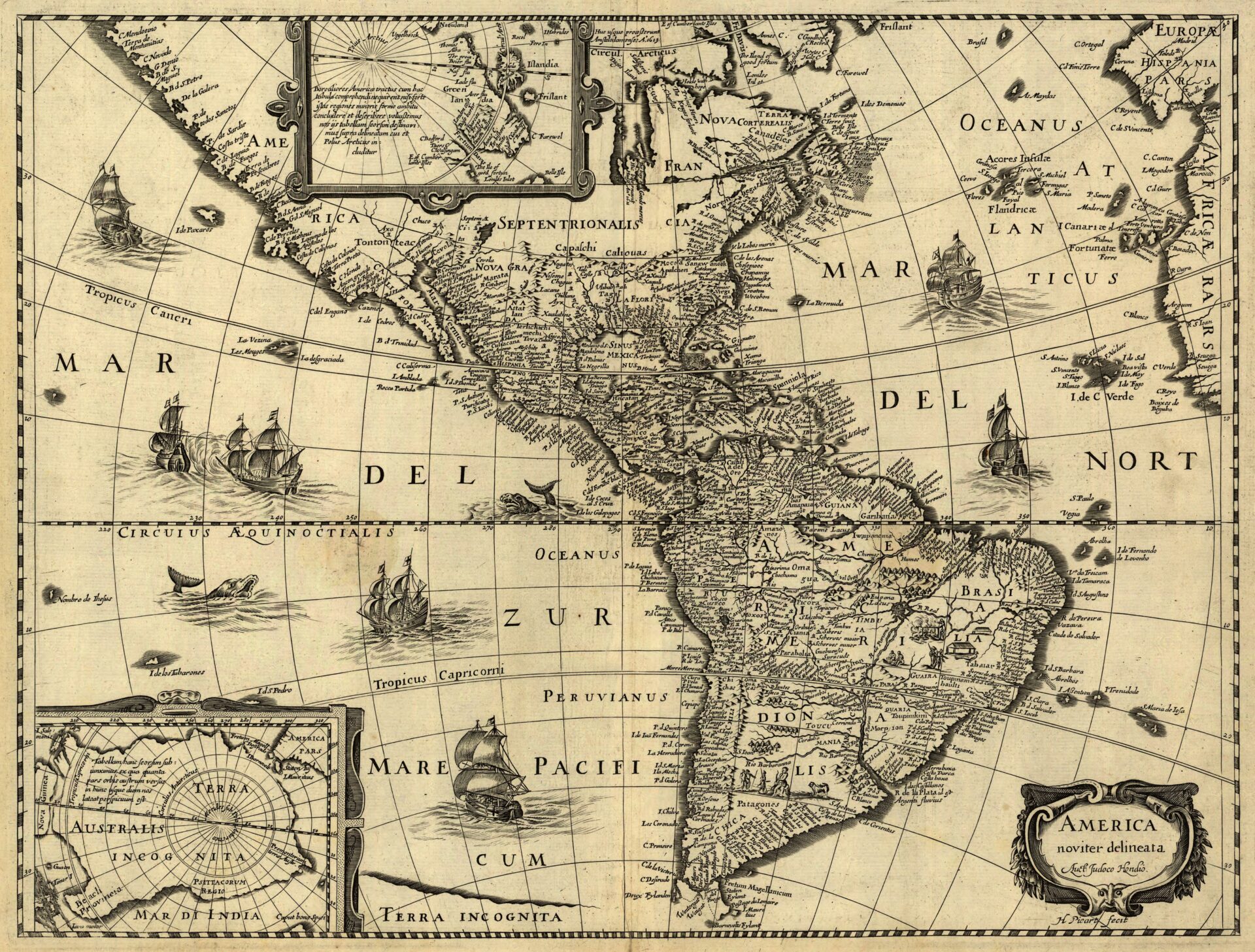
Latin America In The Late Twentieth Century
Although most of the Latin American republics had by 1945 enjoyed political independence for more than a century, they had much in common economically and socially with the emerging nations of Asia and Africa. Like the Asians and Africans, the Latin Americans had been suppliers of foods and raw materials to the rest of the…
-
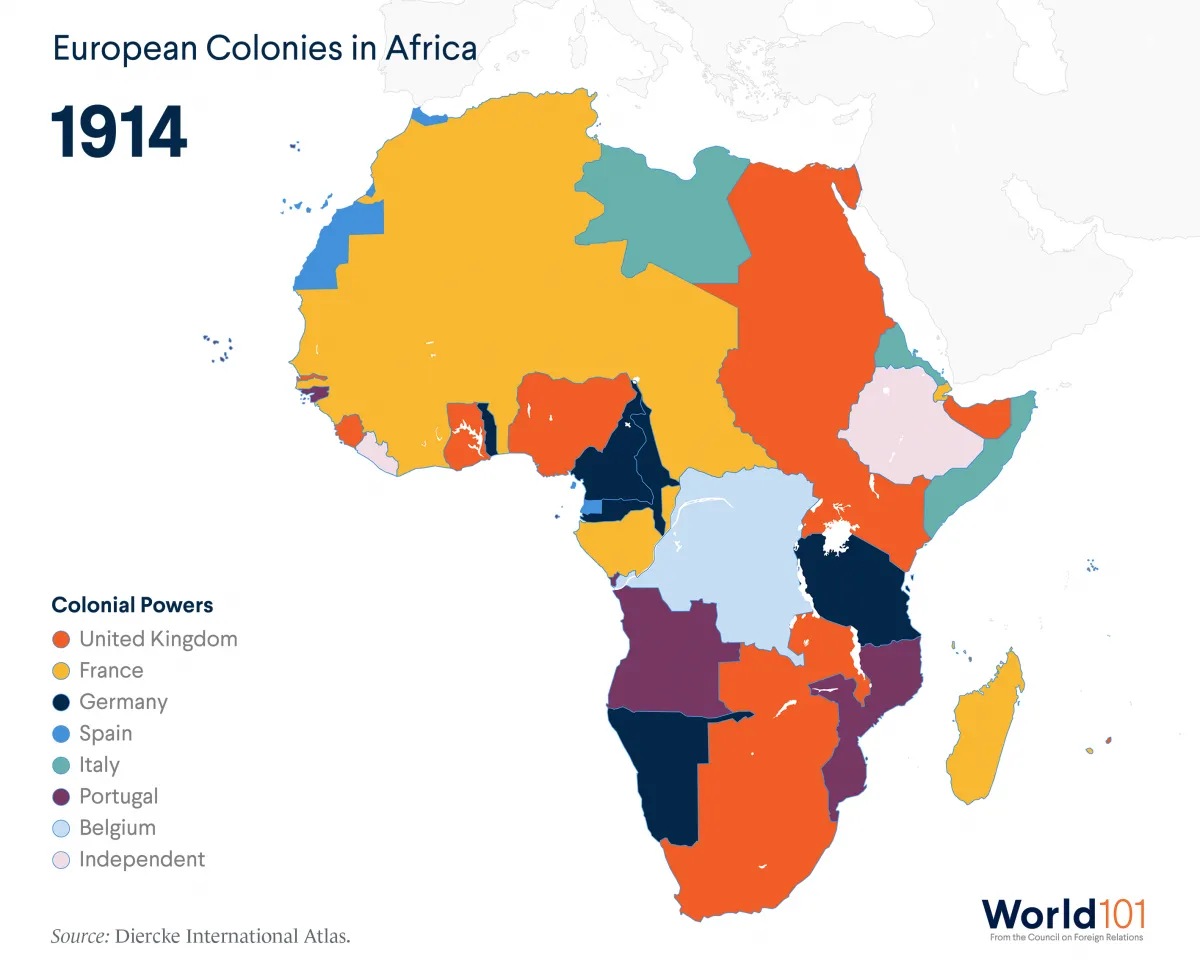
Africa In The Late Twentieth Century
The rebellion against imperialism reached Africa in the 1950s. Ethiopia was taken from its Italian conquerors after World War II and restored to Emperor Haile Selassie, who had been ousted in 1936. In 1952 he annexed the former Italian colony of Eritrea. Selassie embarked on various programs of internal modernization though not liberalization, and he…
-
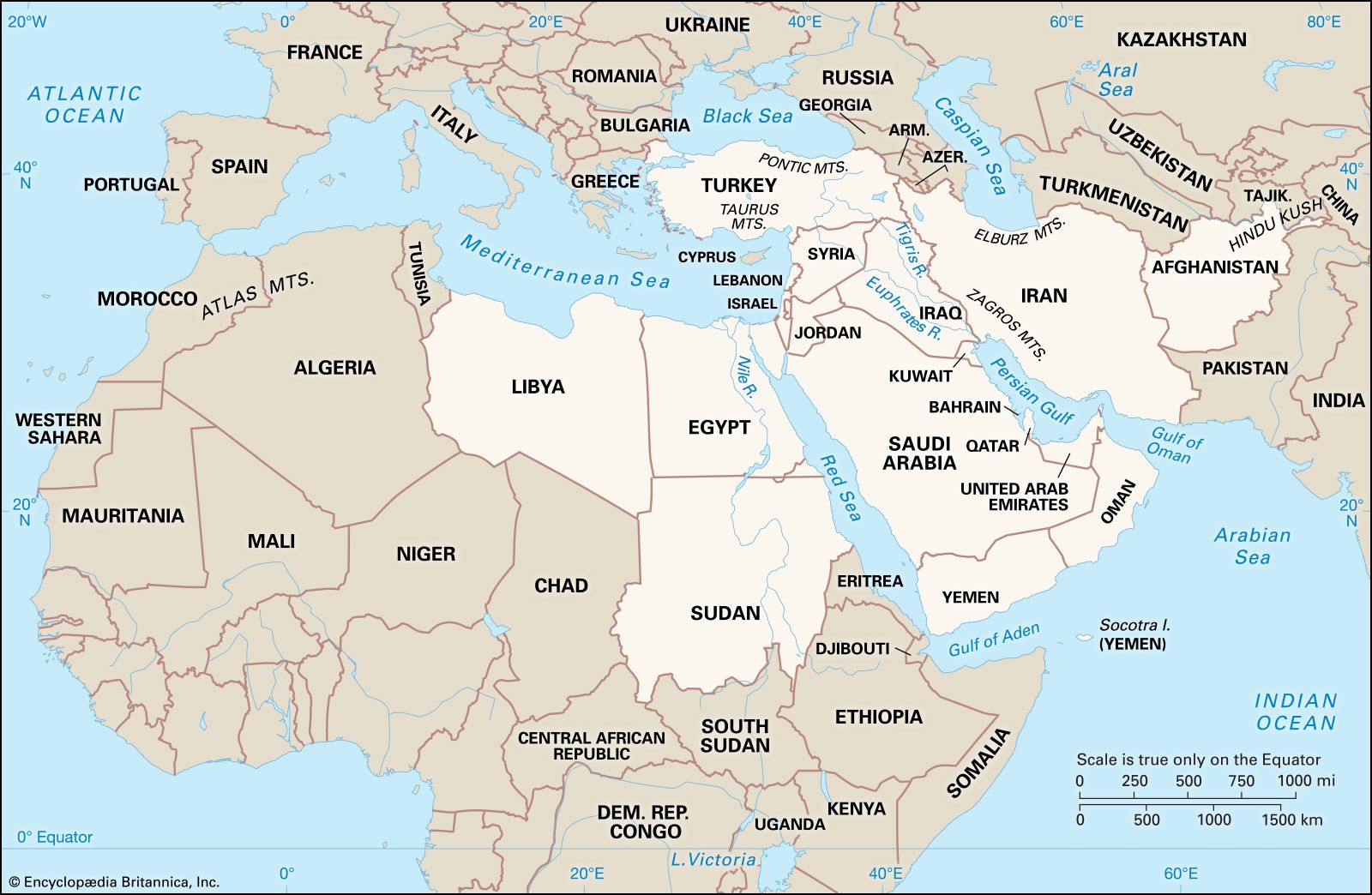
The Middle East In The Late Twentieth Century
In Saudi Arabia, in the small states along the Persian Gulf, and in Iraq and Iran, the Middle East possessed the greatest oil reserves in the world. Developed by European and American companies that paid royalties to the local governments, these oil resources influenced the policies of all the powers.
-
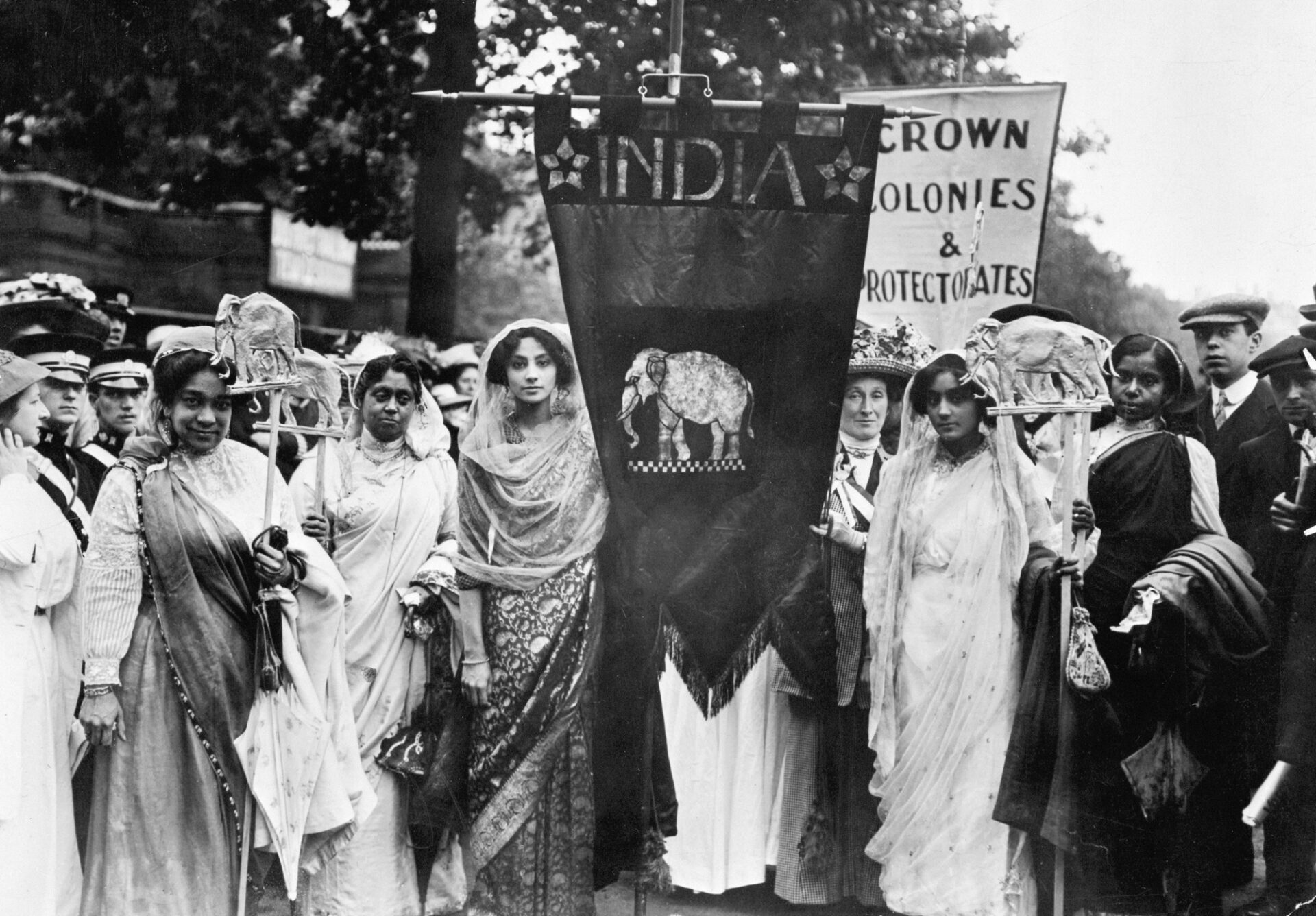
South Asia In The Late Twentieth Century
The Labour victory in Britain in 1945 made the emancipation of India a certainty. But the deep-seated tensions between Muslims and Hindus had assumed critical importance. When the Hindu Congress party and the All-India Muslim League faced the need to draw up a working constitution for the new India, they found themselves in complete disagreement.…
-
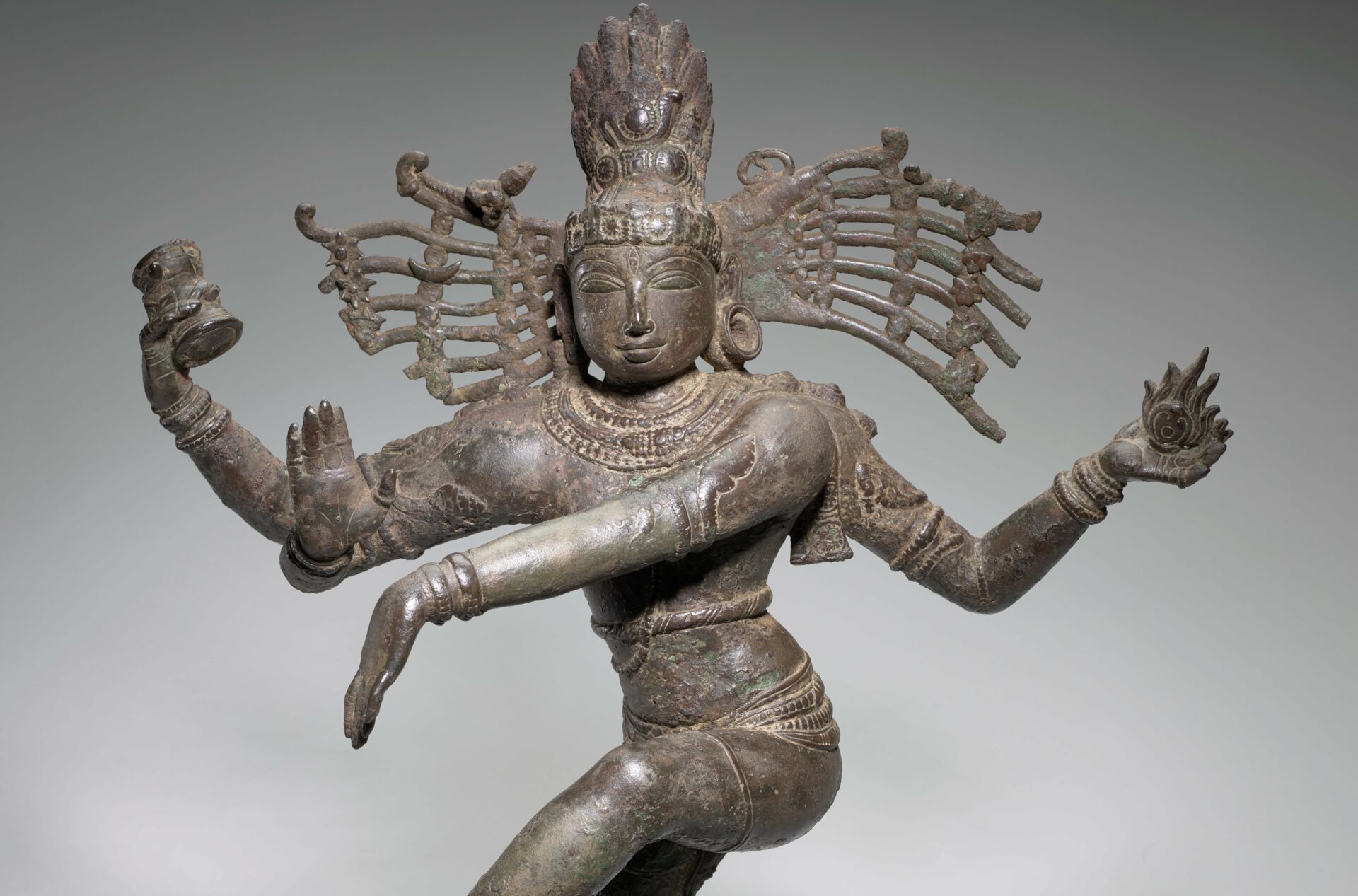
Southeast Asia In The Late Twentieth Century
Once the Japanese occupation ended in southeast Asia, the major Western colonial powers found that they could not revert to the prewar status quo. The United States had granted the Philippines independence in 1946. In 1949 the Dutch had to recognize the independence of the Netherlands East Indies as the republic of Indonesia, with a…
-
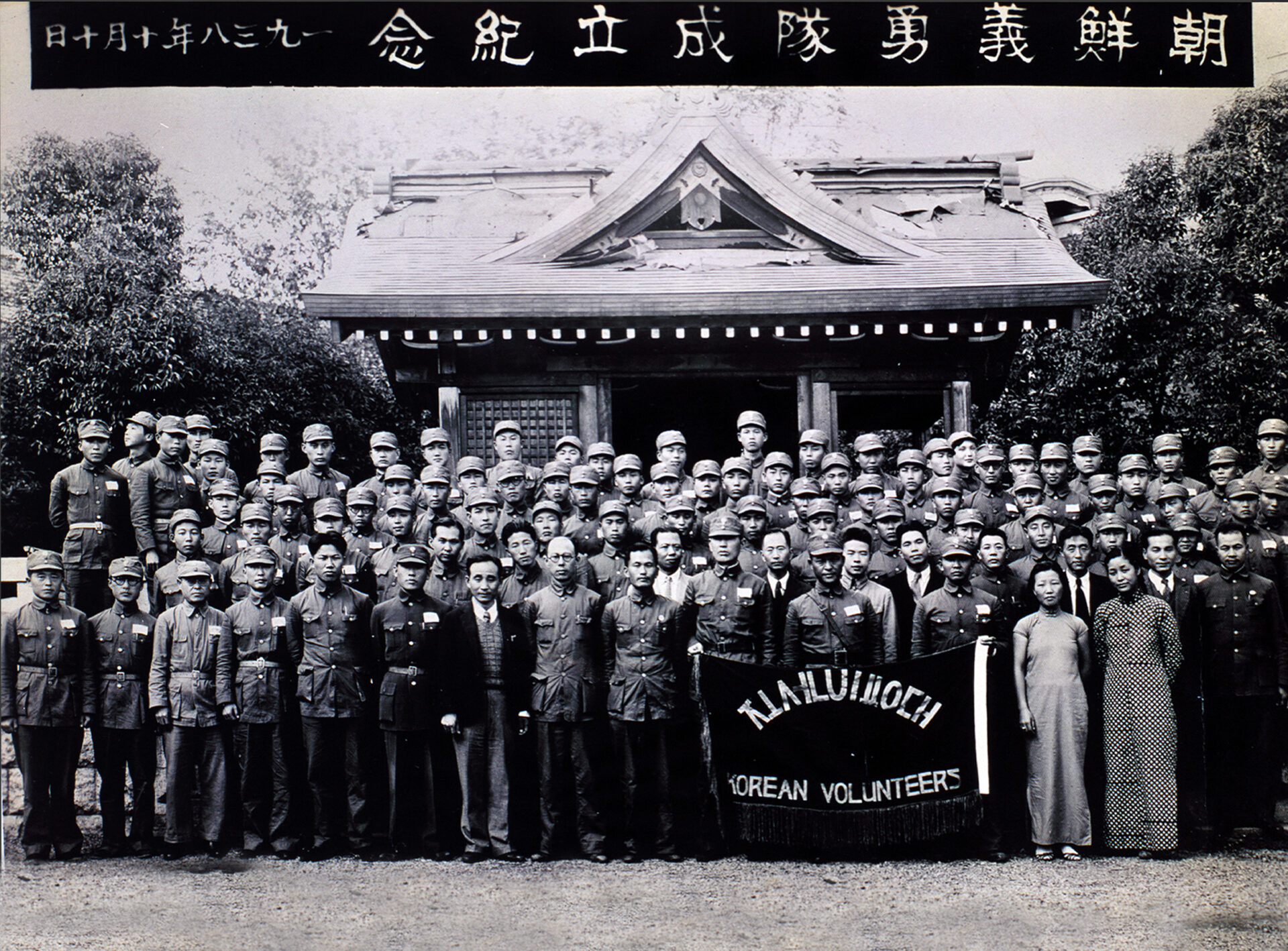
The Koreas In The Late Twentieth Century
South Korea had also attempted constitutional government in the Western manner but ran into serious difficulties. After the disruptive Korean War of the early 1950s, the government of Syngman Rhee (1875-1965), South Korean president since 1948, came under mounting criticism for corruption and arbitrary actions.
-
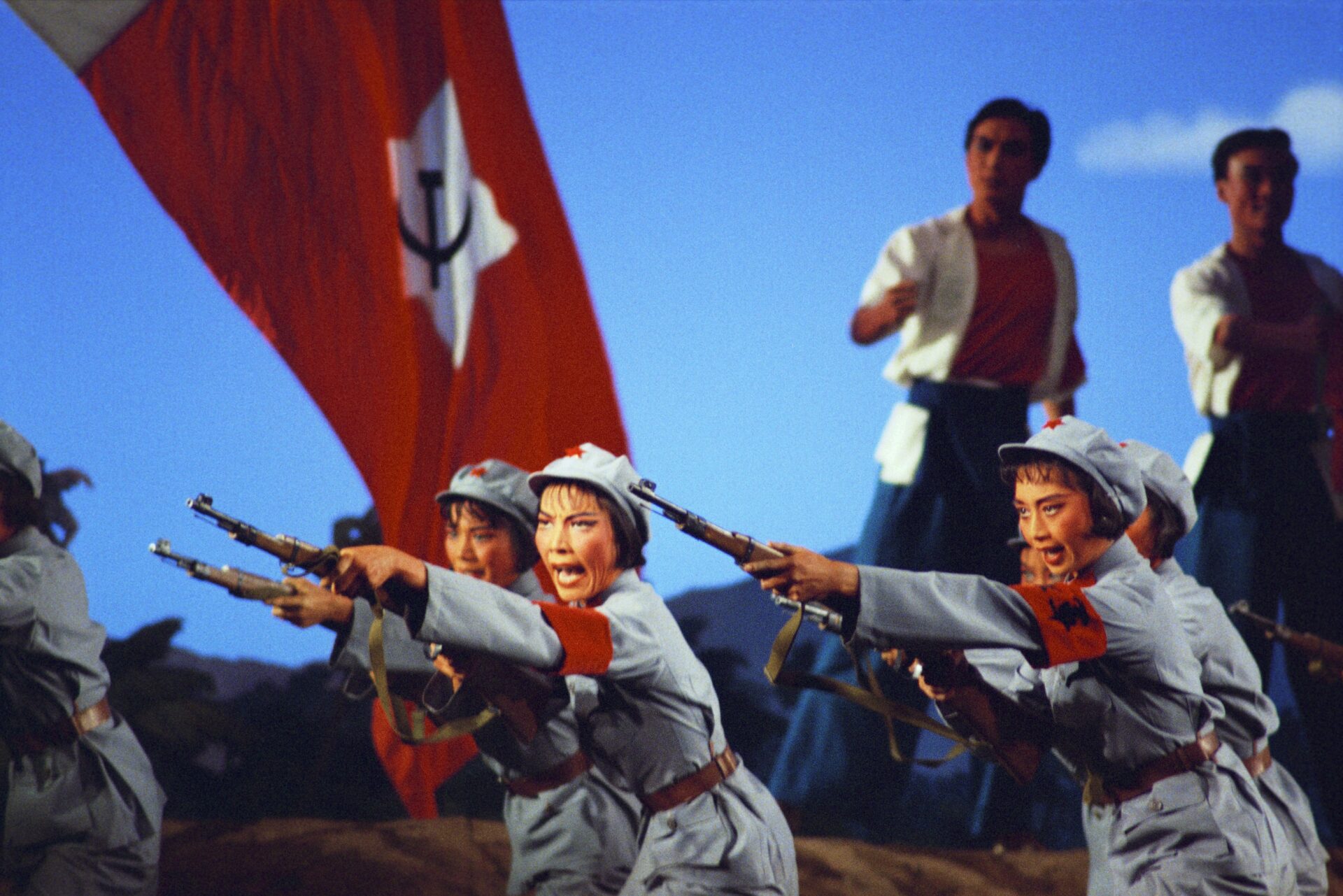
People’s Republic of China In The Late Twentieth Century
The People’s Republic of China, the most populous country in the world (in 1994, with an estimated population of 1,190,431,000, the only nation with more than a billion people), remained important in Western economic and political calculations and also relatively isolated. After years of upheaval, with massive purges during the cultural revolution in 1965, the…
-
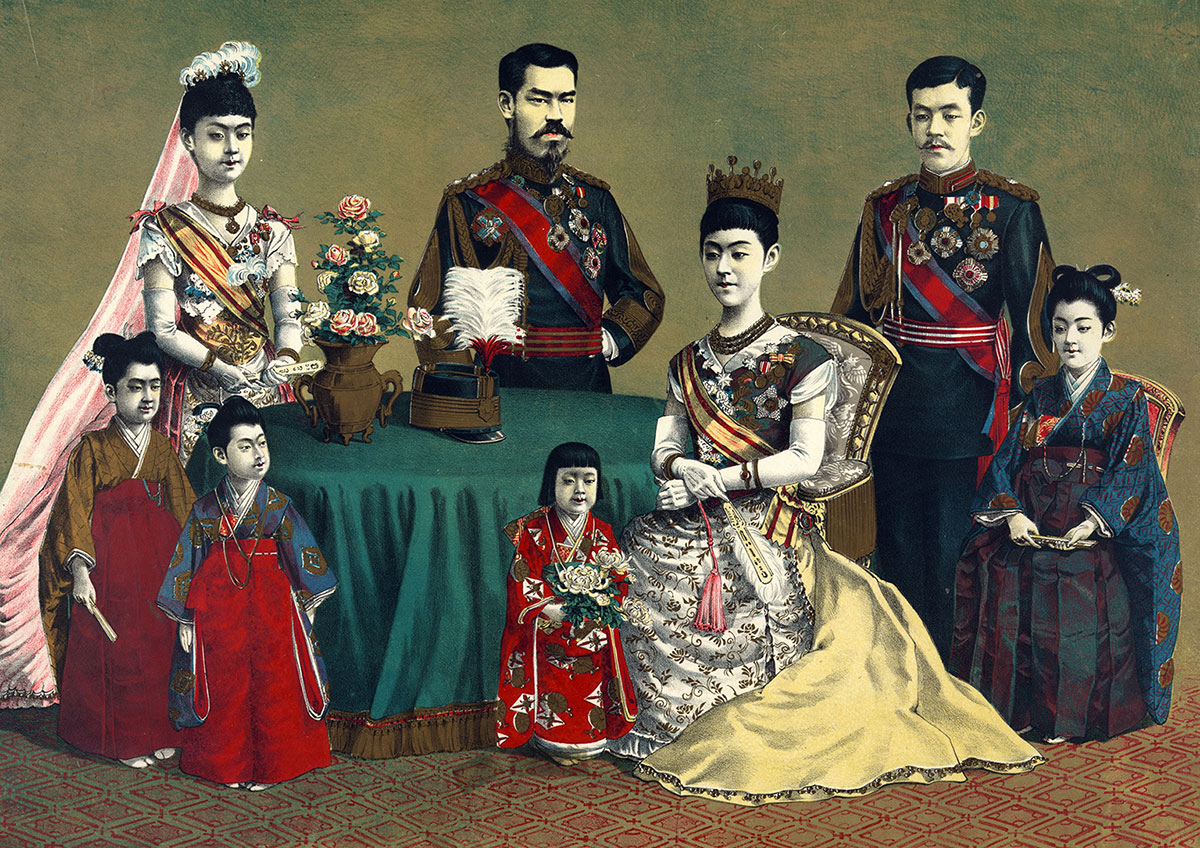
Japan In The Late Twentieth Century
The occupation of Japan was wholly American. Despite some strong opposition from American opinion, the emperor was left on this throne, deprived of his divine status, and subjected to the close control of the forces of occupation. When the American occupation ended in 1952, the Japanese had made a promising start on a democracy of…
-
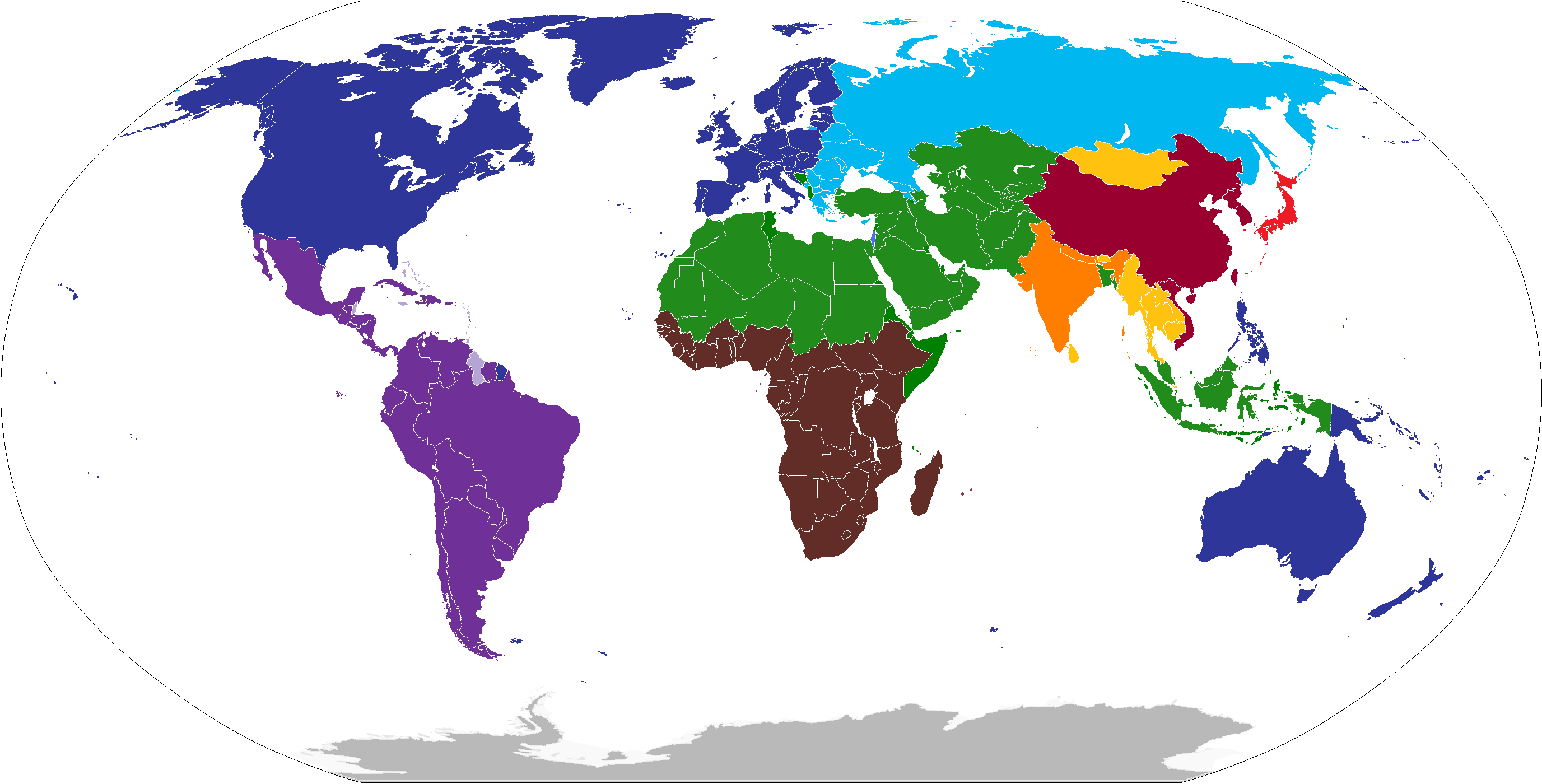
The Non Western World In The Late Twentieth Century
During World War II the Japanese had seized Western possessions in the Far East and had initially defeated Western armies, ending the myth of Western supremacy. Even though Japan was defeated in the end, Western prestige did not recover. Everyone knew that the French and Dutch had not really won, that British power had been…
-
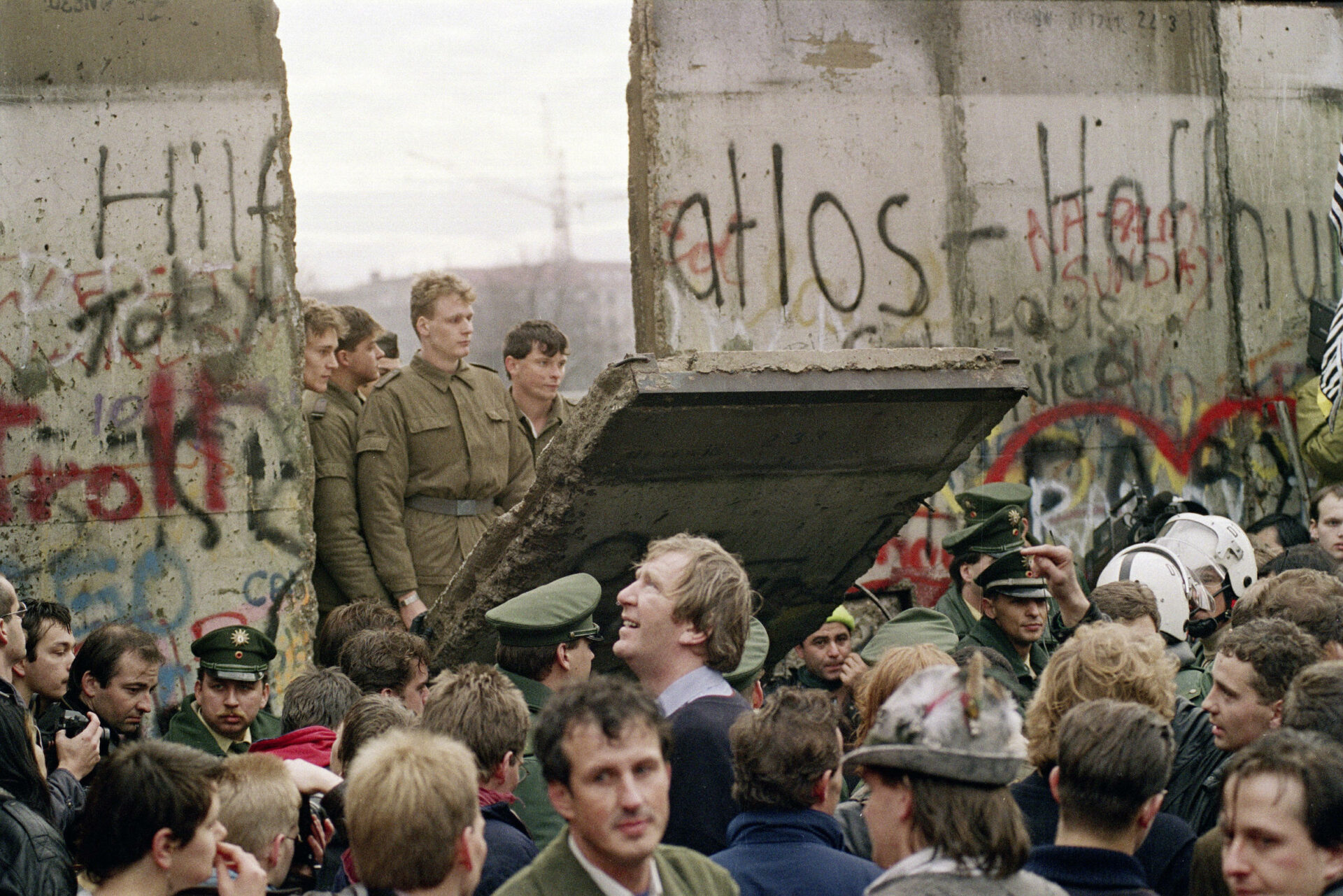
Disintegrating Communism in Eastern Europe In The Late Twentieth Century
The collapse of repressive regimes was unexpected and sudden. In April 1989 an accord between factions in Poland had promised free elections, and in August the first non-communist head of an Eastern bloc nation was elected prime minister.
-
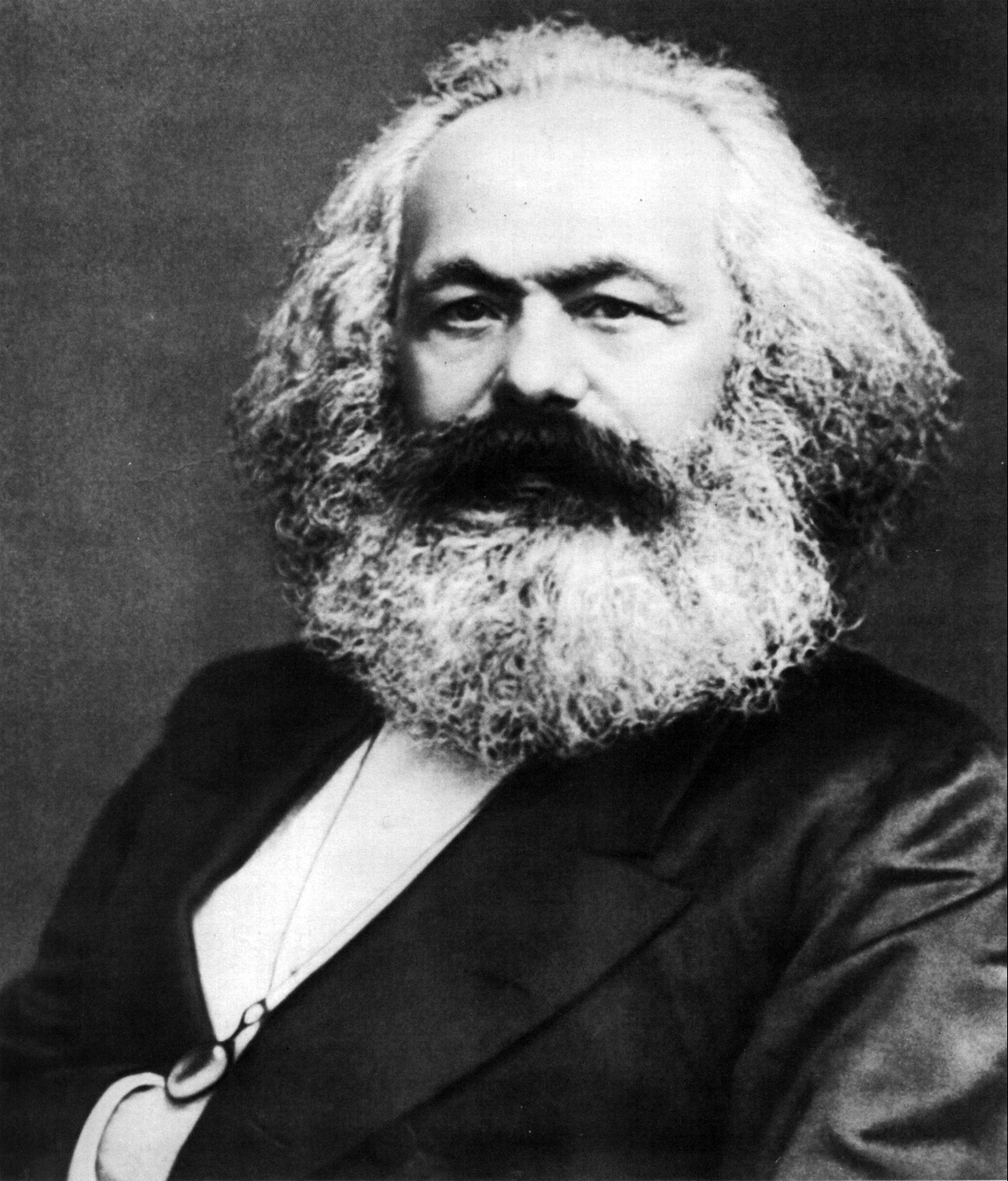
The Decline of Marxist Ideology In The Late Twentieth Century
When Stalin died, the stage seemed set for a full-scale anti-Semitic drive. But fear of the West and hatred of Zionism alone did not explain Soviet anti-Semitism. Despite long years of preaching cultural autonomy for nationalities, many Soviet leaders were personally antiSemitic and perhaps recognized the latent anti-Semitism of the population at large.
-
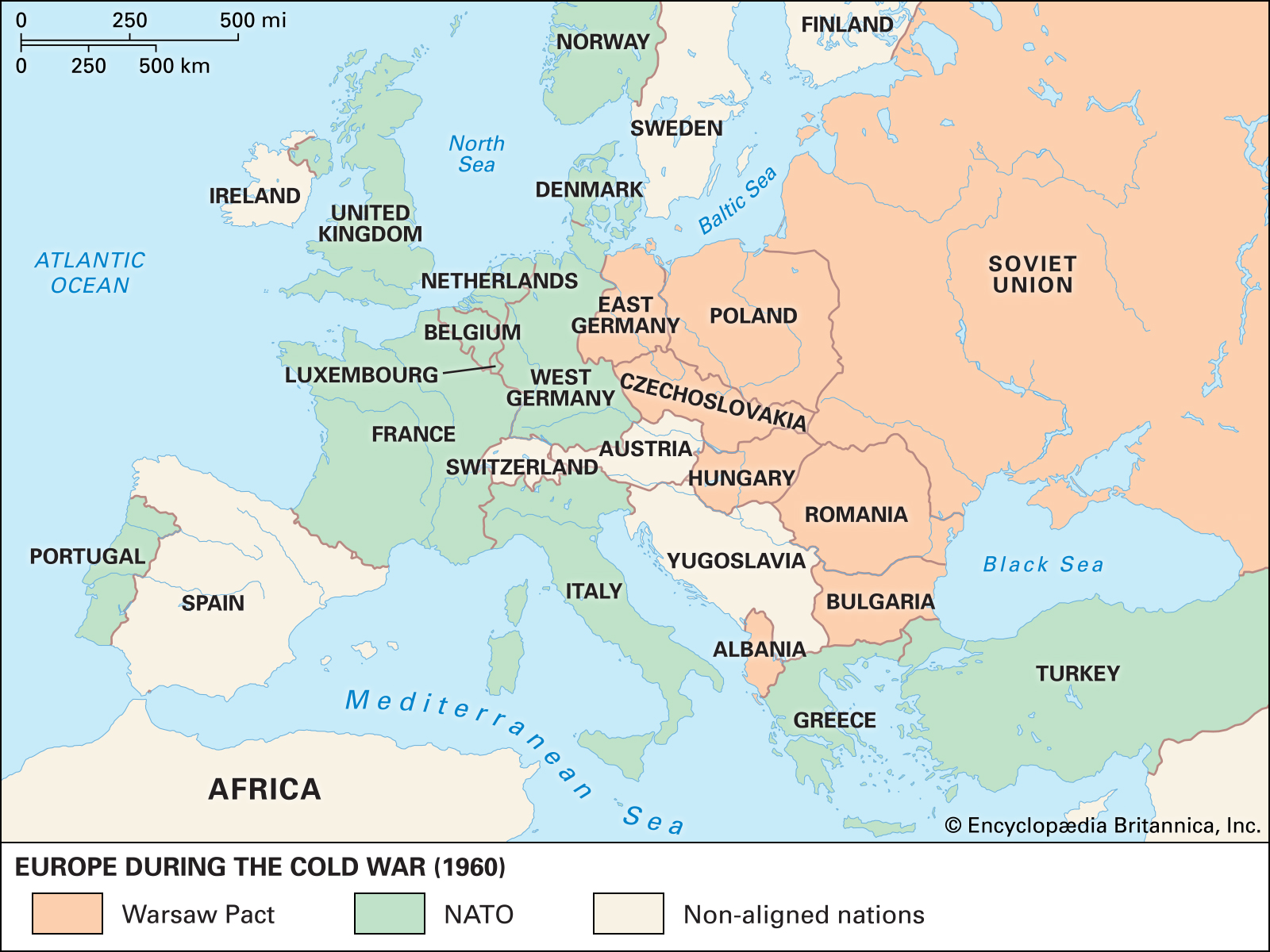
Eastern Europe And The Soviet Union In The Late Twentieth Century
The Soviet Union and the countries of eastern Europe were not exempt from the cycle of prosperity, growth, economic stagnation, and social and political unrest, even though they could prevent the unrest from getting out of hand or from being made known outside their borders. Problems for the Soviet leadership proved to be fully as…
-
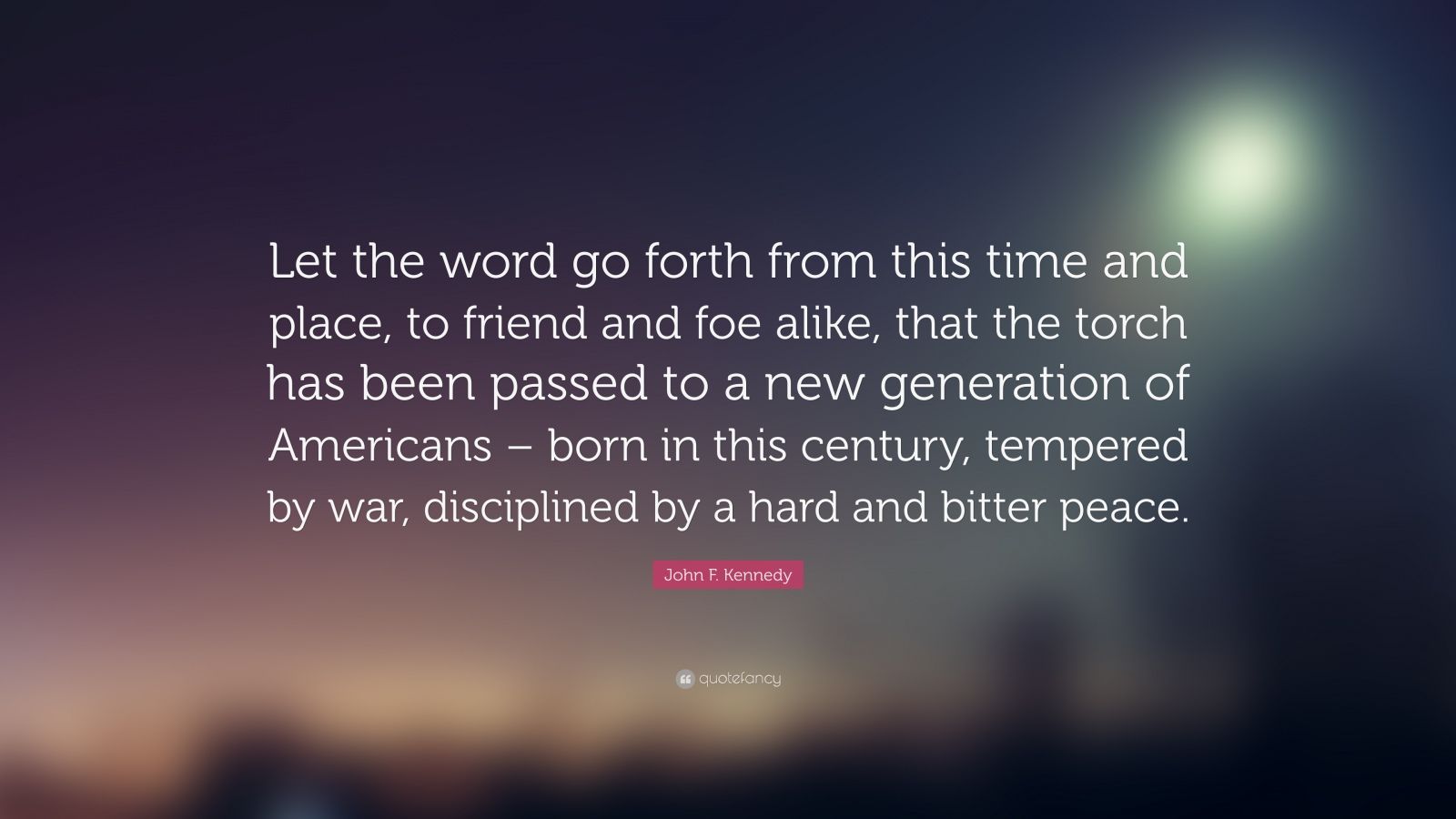
Let the Word Go Forth
In his inaugural address, newly elected President John F. Kennedy demonstrated charismatic powers of oratory. He did more, however, for he also issued a challenge to his fellow Americans that was more dramatic, more sweeping, a tinge more arrogant, and perhaps more idealistic than they had heard, or would hear, for some time.
-
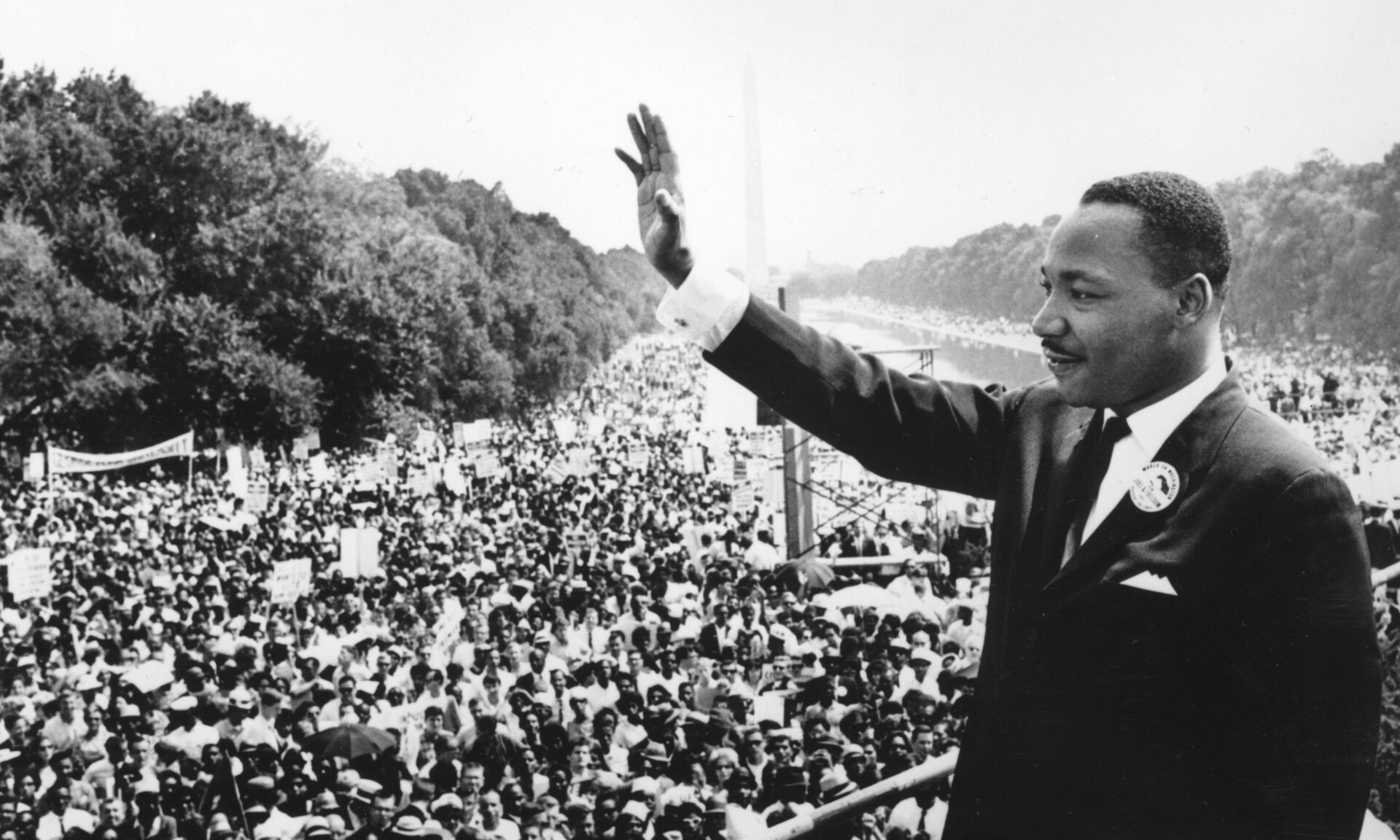
I Have a Dream
In 1963, on the occasion of a massive civil rights rally held in the U.S. capital, Martin Luther King gave his most famous speech. Fivescore years ago, a great American signed the Emancipation Proclamation. This momentous decree came as a great beacon light of hope to millions of Negro slaves who had been seared in…
-
Canada and Mexico In The Late Twentieth Century
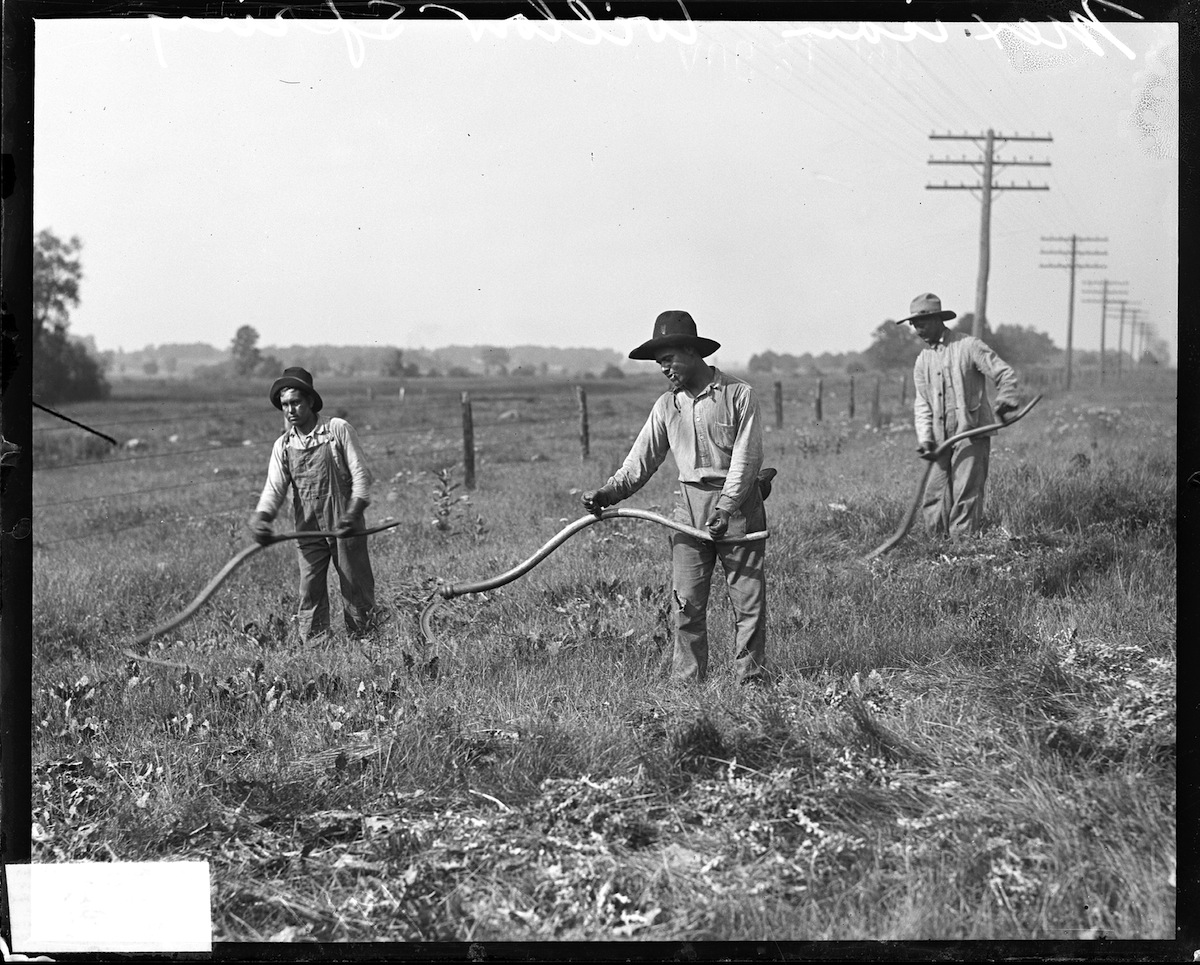
One of the nations that briefly surpassed the United States in per capita income was its immediate neighbor, Canada. Exploiting its vast hydroelectric resources and oil and mineral wealth, Canada had become a major industrial nation. Between 1954 and 1959 the United States and Canada built an extensive new seaway to join the Great Lakes…
-
The United States In The Late Twentieth Century
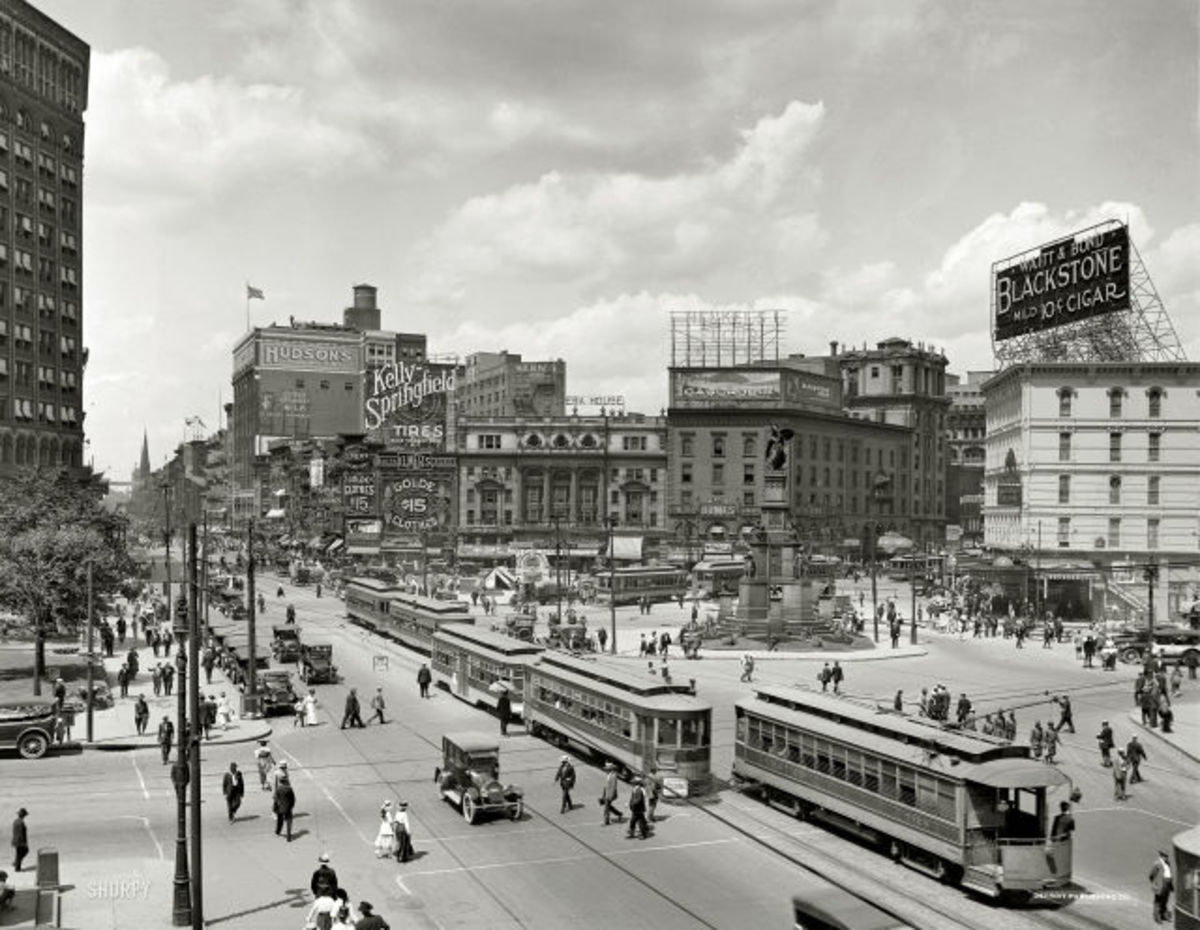
Rather than reverting to isolation, the United States took the lead in 1945 in organizing both the United Nations and a network of alliances. It put through vigorous programs of economic aid to other countries, first through the Marshall Plan, then by direct assistance to the newly independent former colonies, and also by massive assistance…
-
North America In The Late Twentieth Century
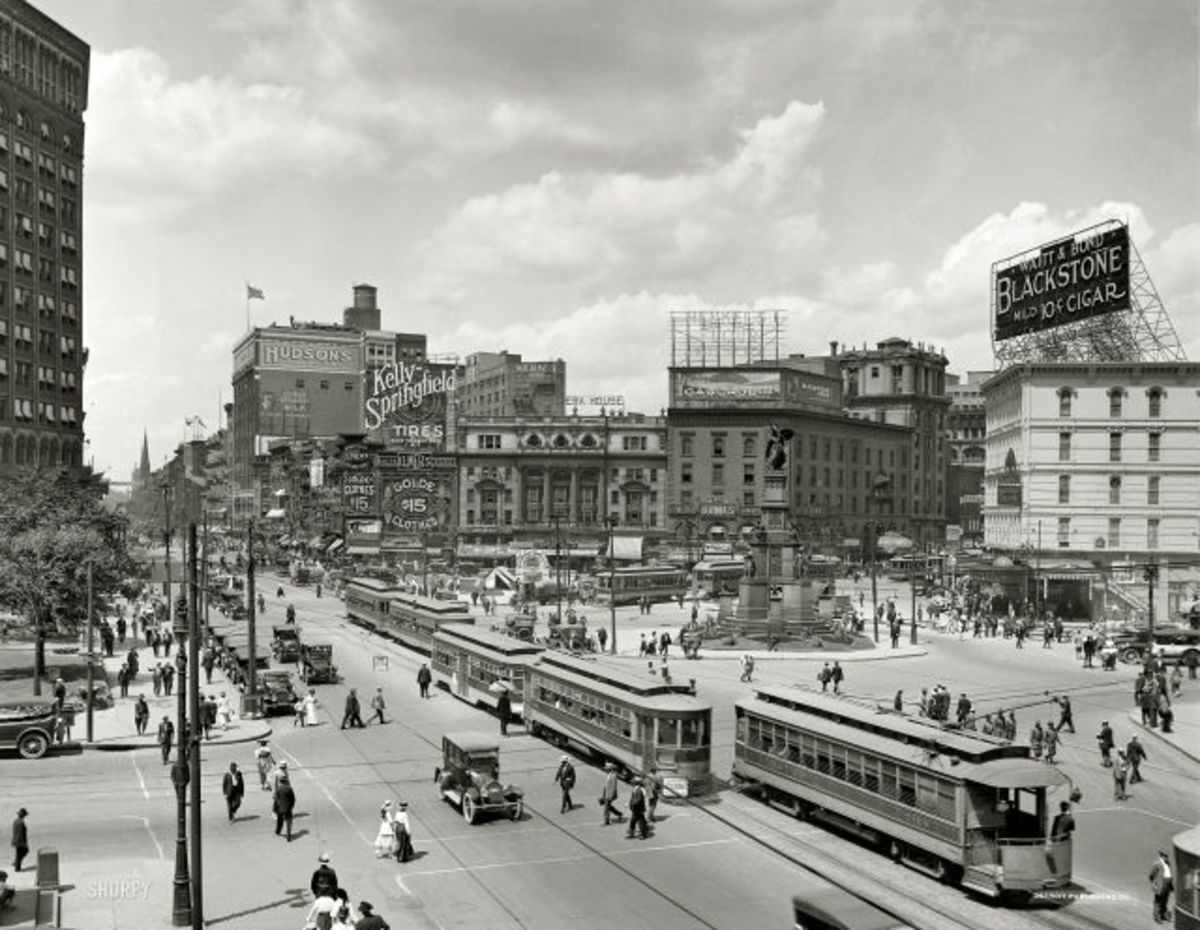
Nor could the largest and most populous of the Western democracies avoid instability even though it was to provide the leadership for the Western alliance and was clearly a superpower in trade and military terms. Though racked by social tensions at times, the United States was markedly prosperous and politically stable for much of this…
-
Other Western European Countries In The Late Twentieth Century
The Low Countries shared the general European prosperity and the common problems. In Belgium, which enjoyed great material well-being, the chronic difficulties between the minority of French-speaking Walloons and the majority of Dutch-speaking Flemings continued to worsen and to threaten stability.
-
The Vatican In The Late Twentieth Century
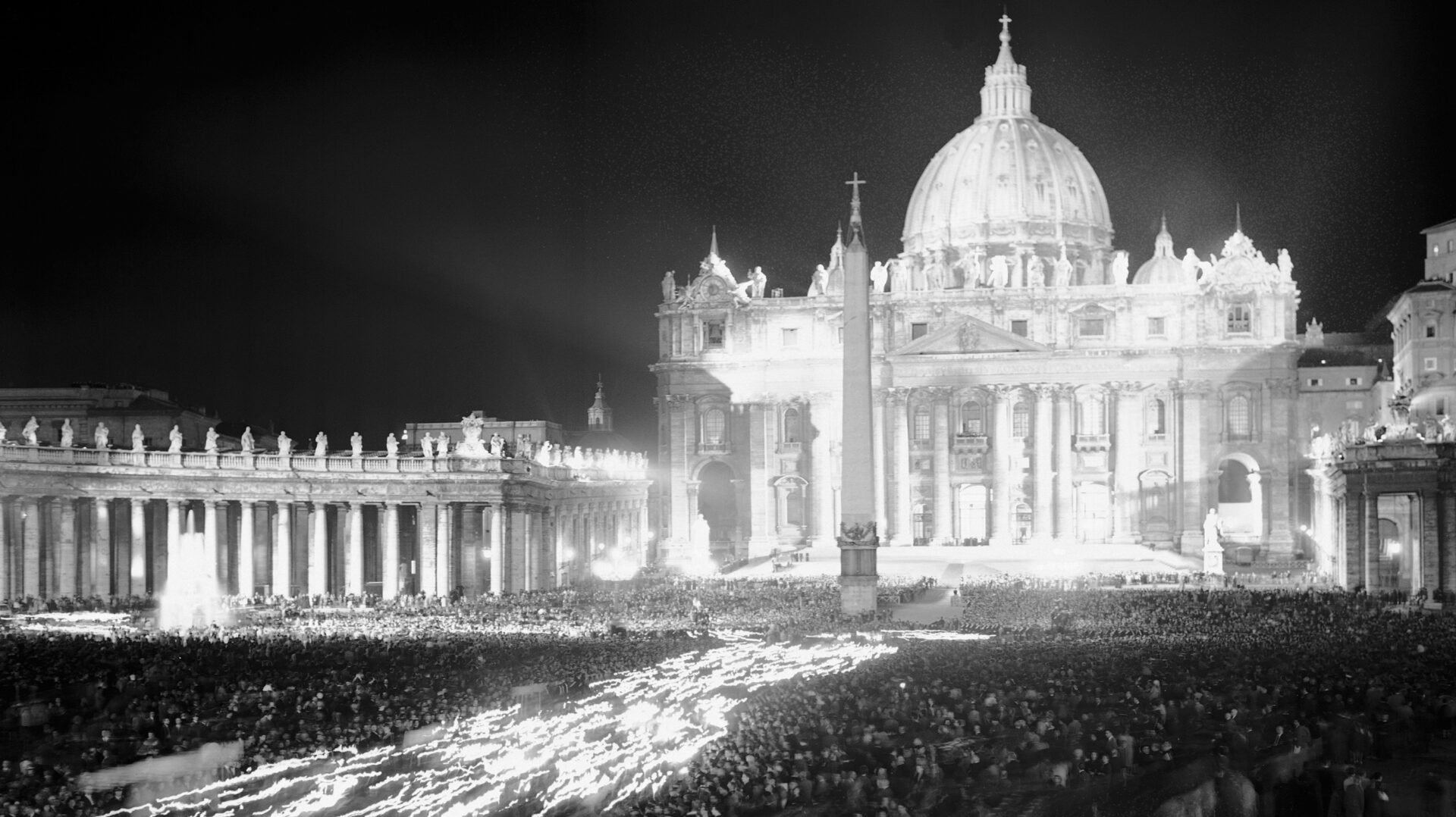
In the eye of the hurricane, one force for continuity seemed clear. The pope, based in the Vatican City, in the heart of Rome, began to assert bold new initiatives in the political sphere, while holding to traditional positions on doctrinal church affairs. The feeling that Pope Pius XII (r. 1939-1958) had not done enough…
-
Italy In The Late Twentieth Century
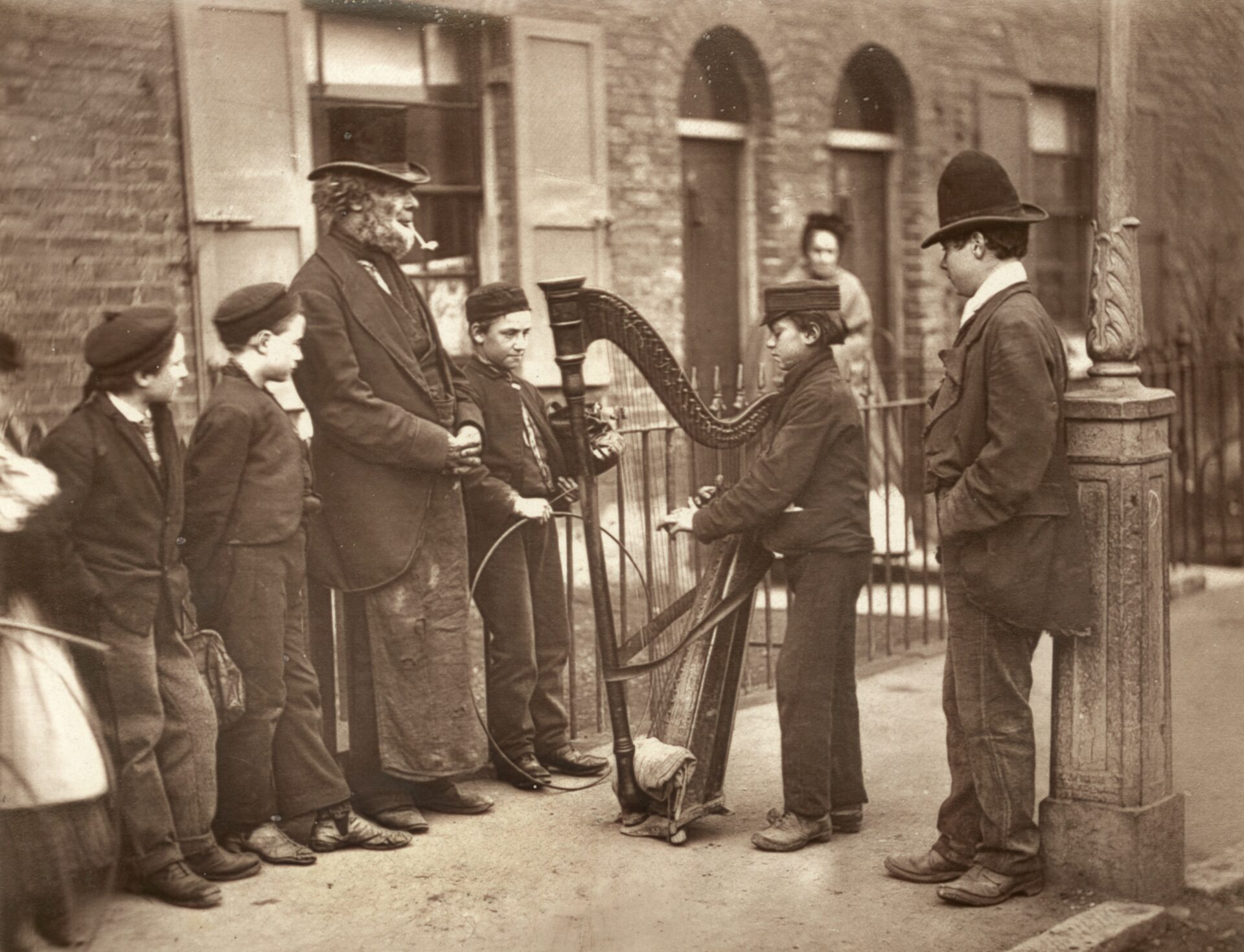
Unlike Germany, Italy was in turmoil for much of its postwar period. In 1946 a plebiscite showed 54 percent of the voters in favor of a republic, which was therefore established. Some monarchists and fascists remained, but neither group influenced parliamentary politics to any great extent.
-
The Two Germanies In The Late Twentieth Century
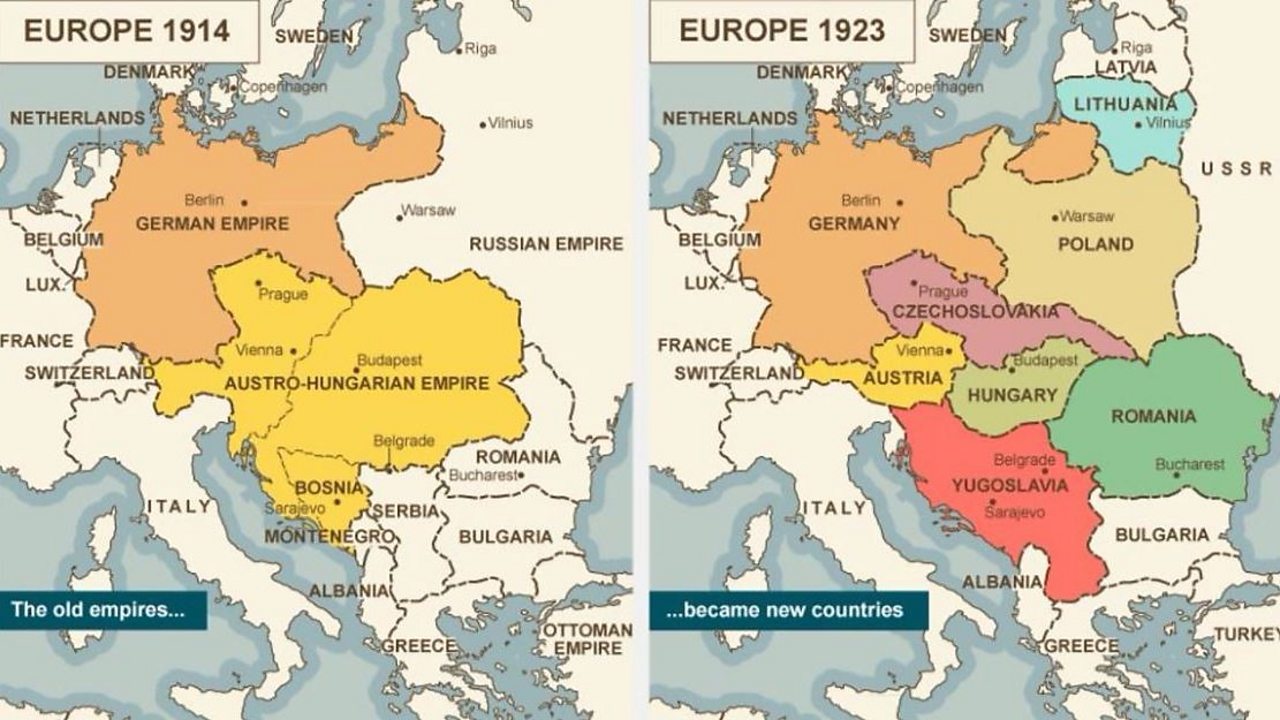
The West German postwar recovery was the most remarkable of all. The wartime destruction of much of Germany’s industrial plant had paradoxically proved beneficial; the new plant was built with the latest technological equipment. The Allied High Commission gradually abolished controls over German industry, save for atomic energy and certain military restrictions. It provided economic…
-
France In The Late Twentieth Century
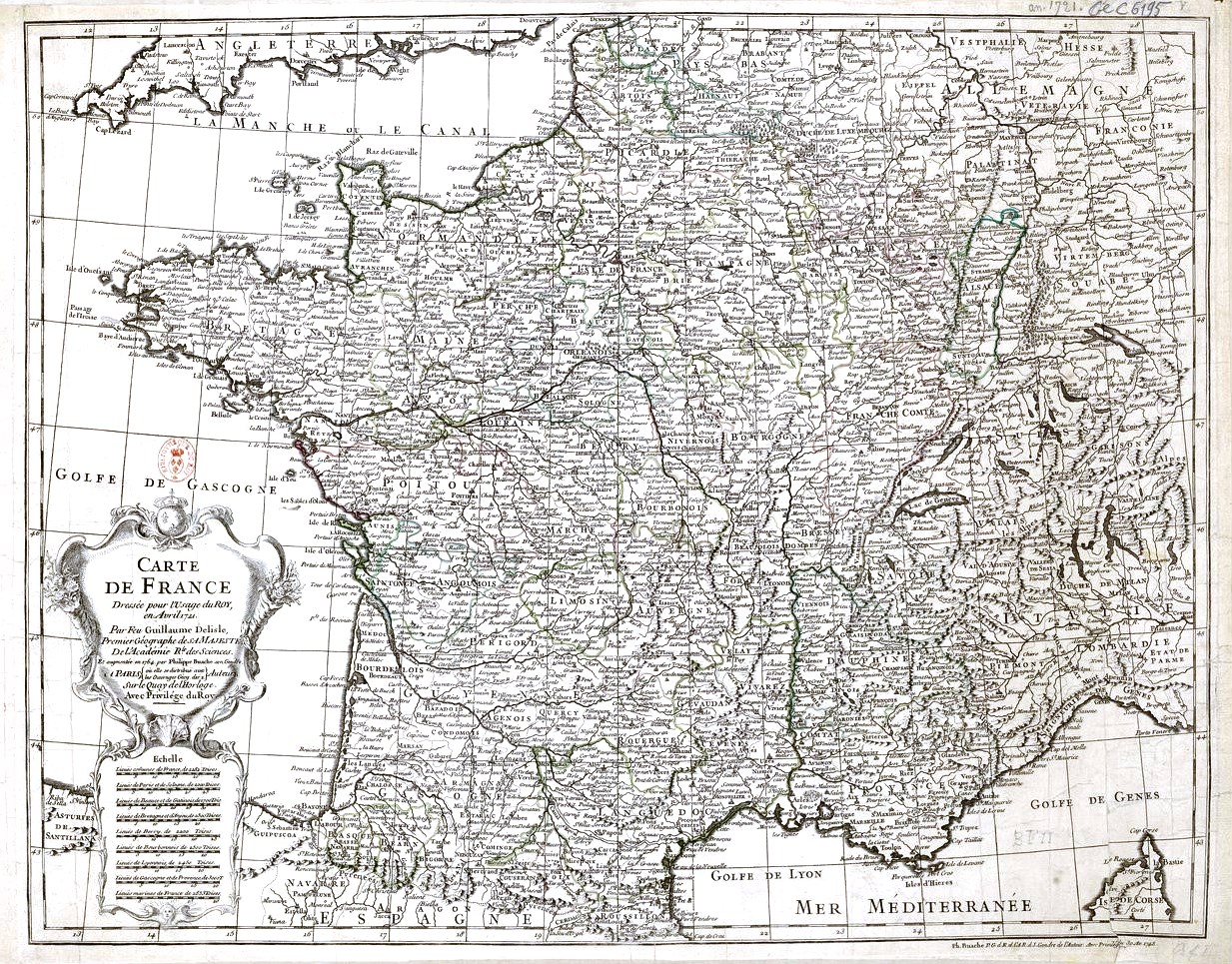
Defeat by the Germans, brutal German occupation and economic exploitation, the spectacle of French collaboration with the enemy—all this was followed by a liberation that, despite the part played in it by the Fighting French and the French Resistance movement, was clearly the work of American, British, and Soviet arms.
-
Is There a Grand Design in History?
Historians continue to debate their own purposes and their own methods. Some detect clear patterns and may even attempt to predict general trends for the future from their study of the past; others find history to be simply one event after another. Between these positions there are other, more moderate, defenses for the value of…
-
Great Britain In The Late Twentieth Century
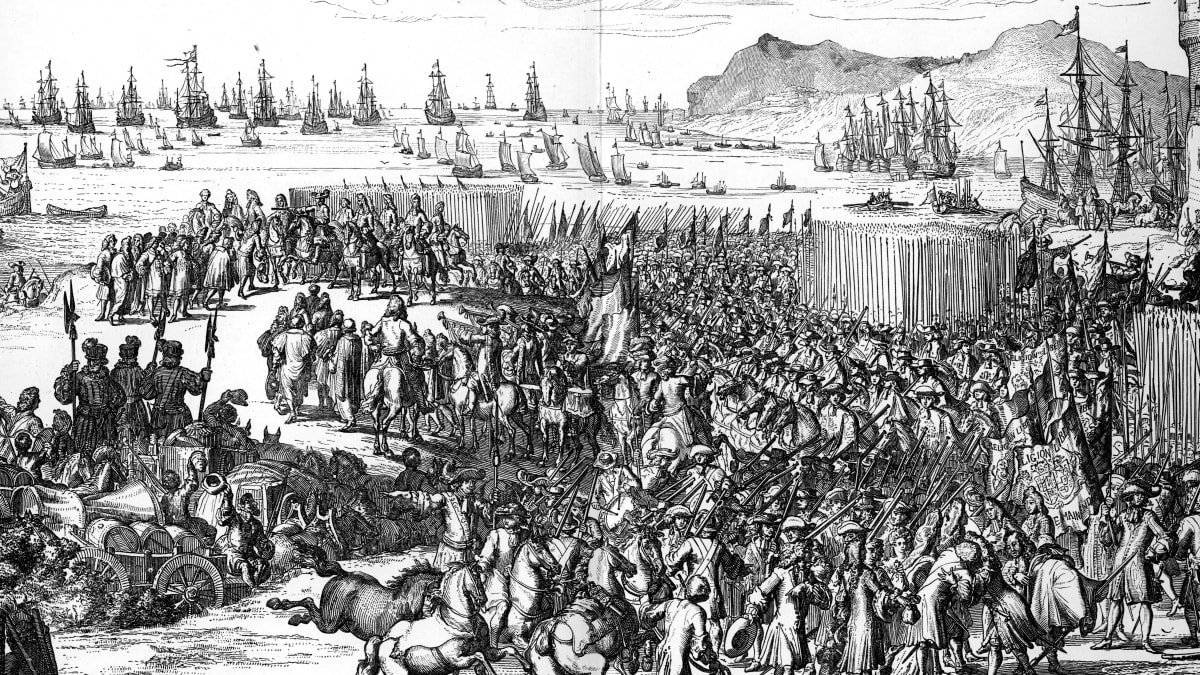
In Britain a general election in July 1945—after the war had ended in Europe—ousted Churchill and the Conservative party and for the first time gave the Labour party an absolute majority in the House of Commons. The Liberal party was practically extinguished. The new prime minister was Clement Attlee (1883-1967), a middle-class lawyer of quiet…
-
Western Europe In The Late Twentieth Century
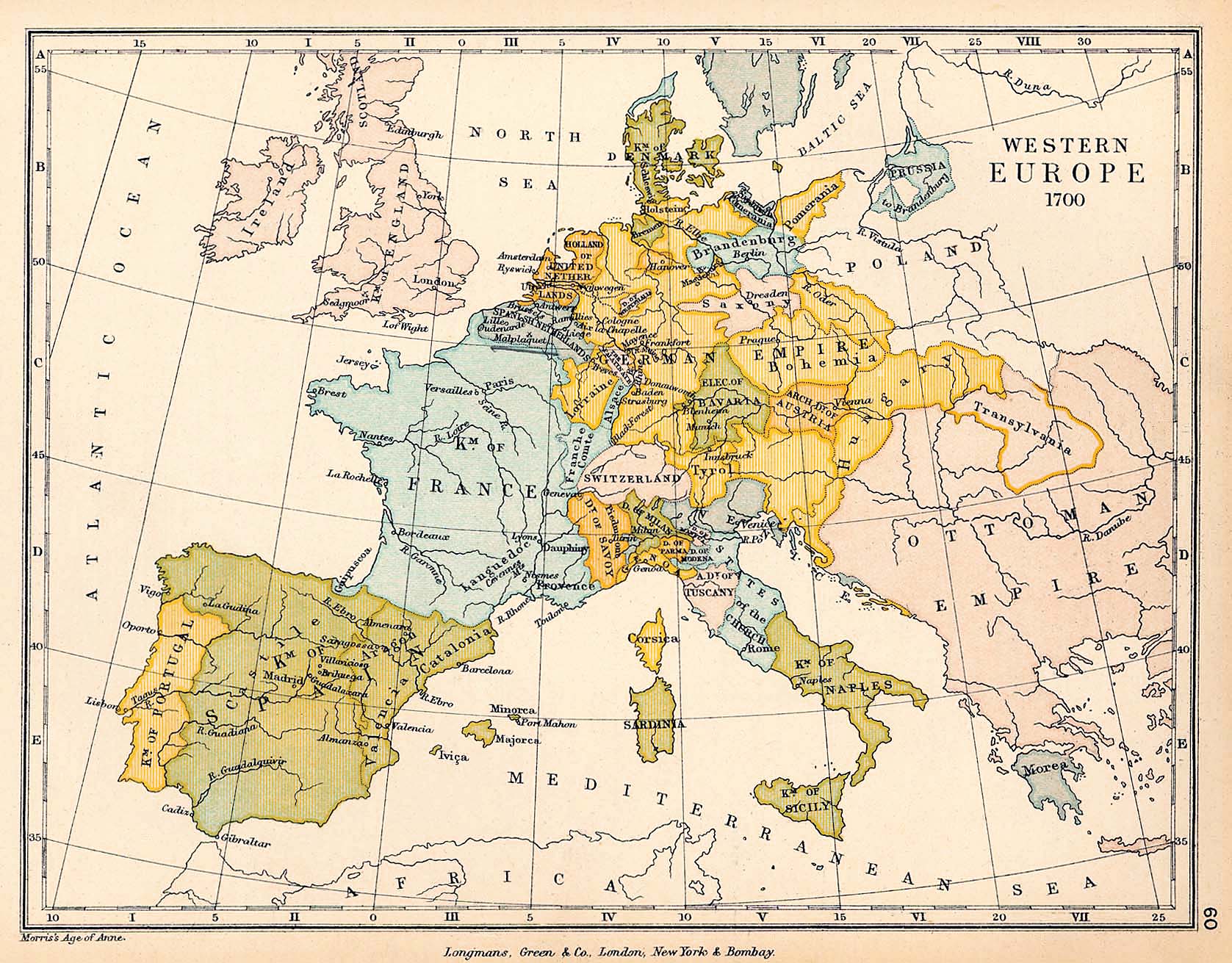
After 1945 the nations of western Europe successfully preserved the forms of the sovereign state and the politics of nationalism, while also making real attempts to organize a “free Europe” on a level beyond the national state.
-

The Late Twentieth Century
Although dominated by the cold war, the history of the past five decades also speaks of many triumphs. Despite wars, political intimidation, and terror, both population and longevity have increased.
-
Summary: Twentieth Century Thought and Letters
Views of history change constantly. As historians view the last forty years, they face the difficulty of evaluating recent historical trends, such as economic cycles or the worldwide impact of the arms race. Today Western civilization can no longer be seen as separate from world culture.
-

Dual Goals, Dual Models In The Twentieth Century
Many observers feared that there had been a slow breakdown in what was once understood to be the social contract. Much of humanity was struggling with dual goals: to achieve freedom and to create equality, to protect the rights of the individual and to meet obligations to others.
-

The Other Arts In The Twentieth Century
Pop sculpture featured plaster casts of real people surrounded by actual pieces of furniture in a three-dimensional comic strip of devitalized, defeated humanity. At the other extreme, sculpture in the grand manner experienced a rebirth, in good measure due to the work of two British artists.
-

Faulkner on Human Security
The objective conditions of human life have steadily improved over the centuries: the infant mortality rate has fallen, the longevity rate has risen, the caloric intake has increased, a wide range of diseases that once devastated humanity have been conquered, and labor-saving devices have taken the sweat from the brow of millions.
-
Painting In The Twentieth Century
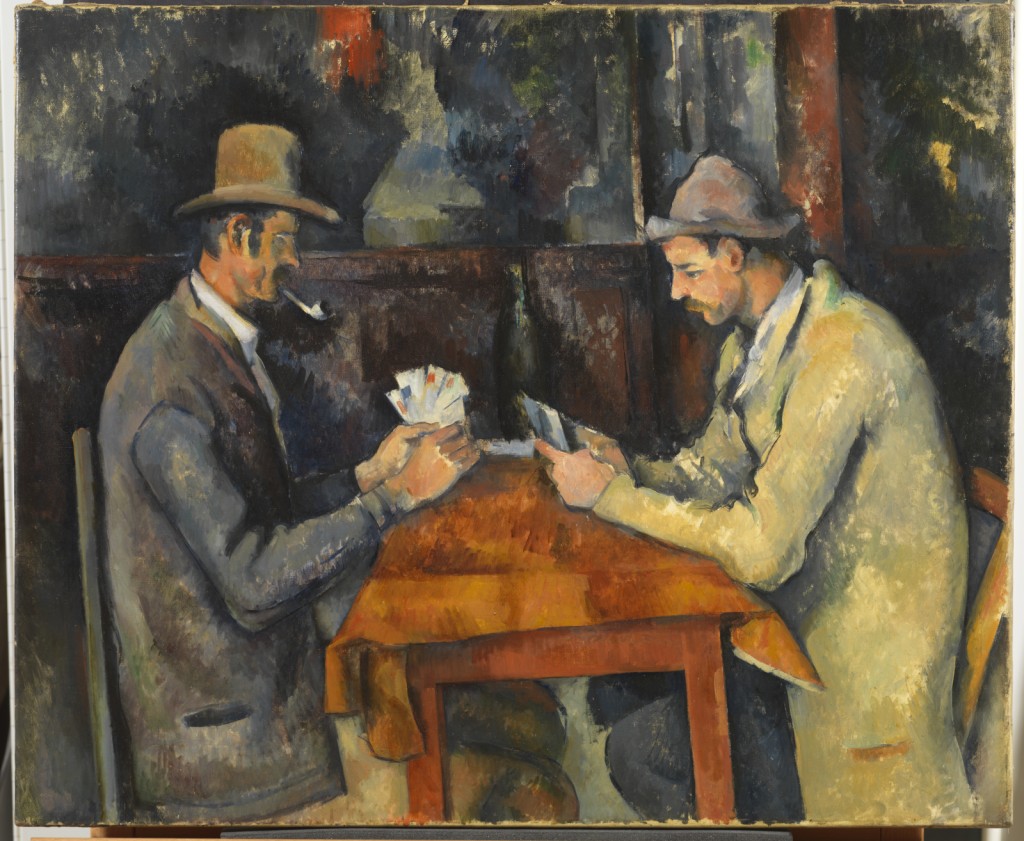
No painter could better serve as a representative of the endless variety and experimentation of twentieth-century painting than the versatile and immensely productive Pablo Picasso (1881-1973). A native Spaniard and adopted Frenchman, Picasso painted in many styles and periods. For example, the paintings of his “blue period” in the early 1900s, with their exhausted and…
-
Literature In The Twentieth Century
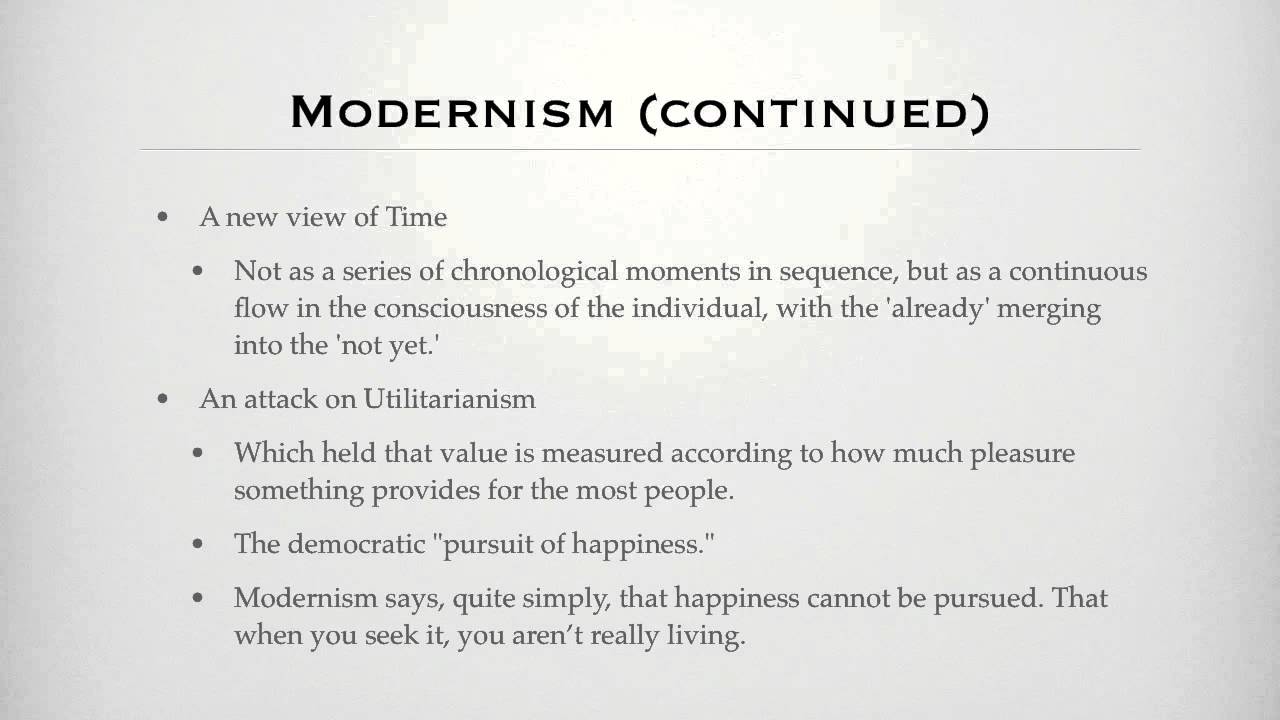
Twentieth-century writers surprised the prophets of doom. Poetry remained, for the most part, what it had become in the late nineteenth century: difficult, cerebral, and addressed to a small audience. An occasional poet broke from the privacy of limited editions to wide popularity; representative was the attention given to T. S. Eliot (1888-1965). His difficult…
-
Modern Literature and the Arts
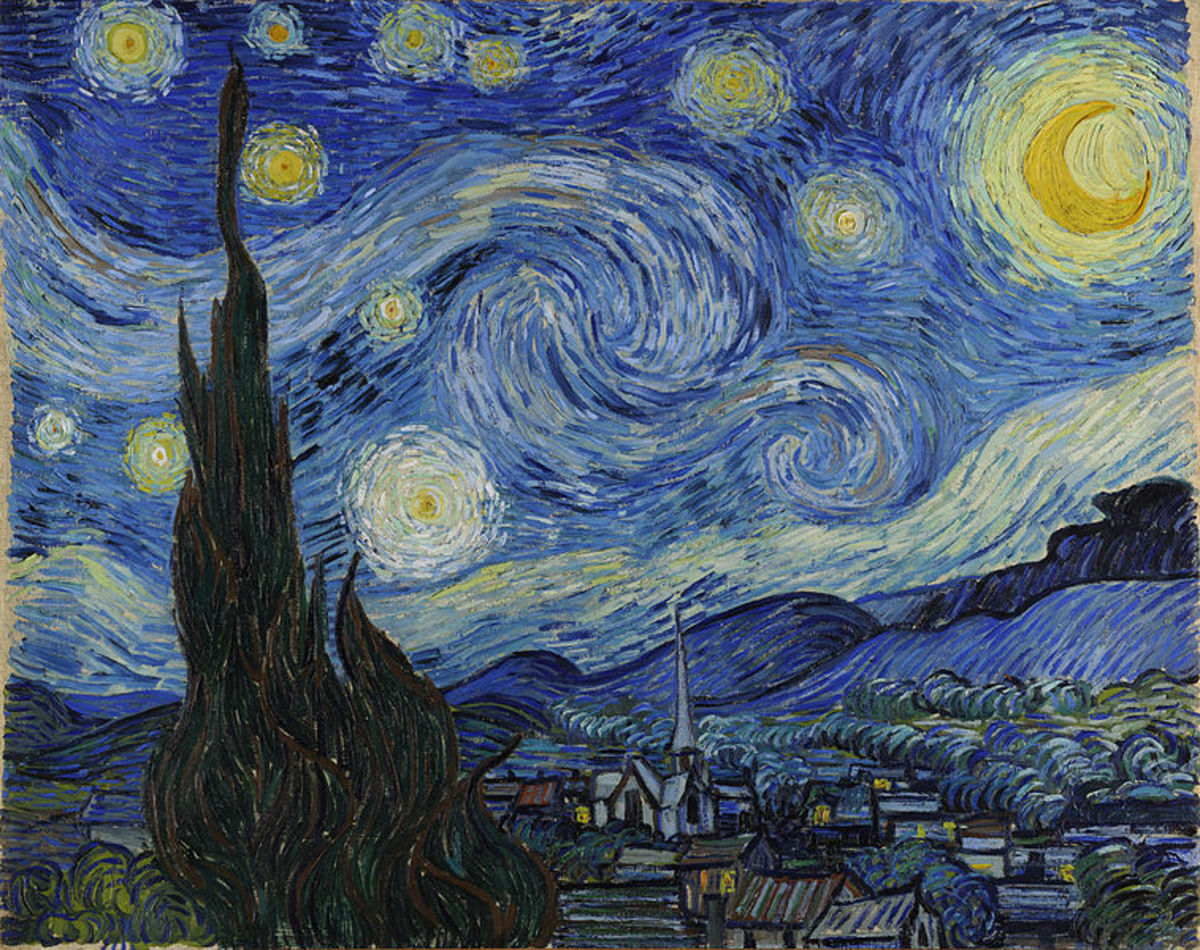
As societies became more and more literate, reading matter changed, becoming both simpler and much cheaper and also more complex and symbolic in its more elite expressions. This was true of painting and the other arts as well. A wider gulf opened between those who read, or viewed, for entertainment and those who sought information,…
-
Science and the Quality of Life In The Twentieth Century
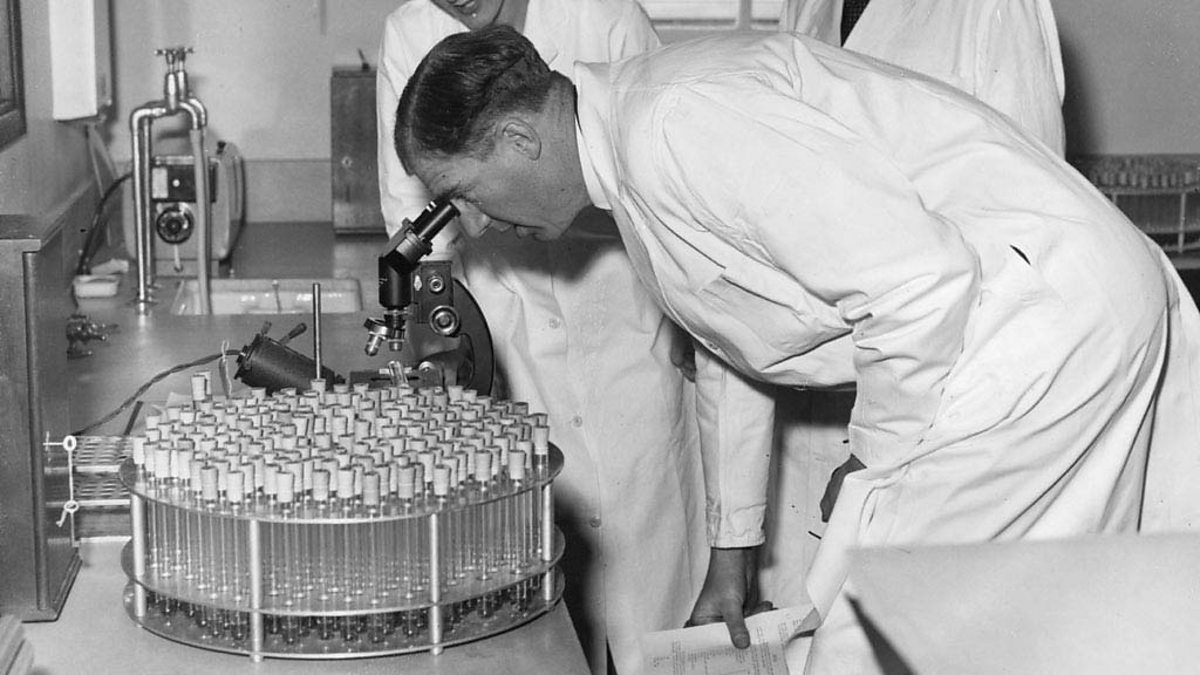
Chemistry, which made possible plastics, synthetic fibers, and many other innovations, also greatly affected daily life by its impact on food, clothing, and most material objects. Chemistry assisted the very great gains made by the biological sciences and their application to medicine and public health.
-
The Revolution in Physics In The Twentieth Century
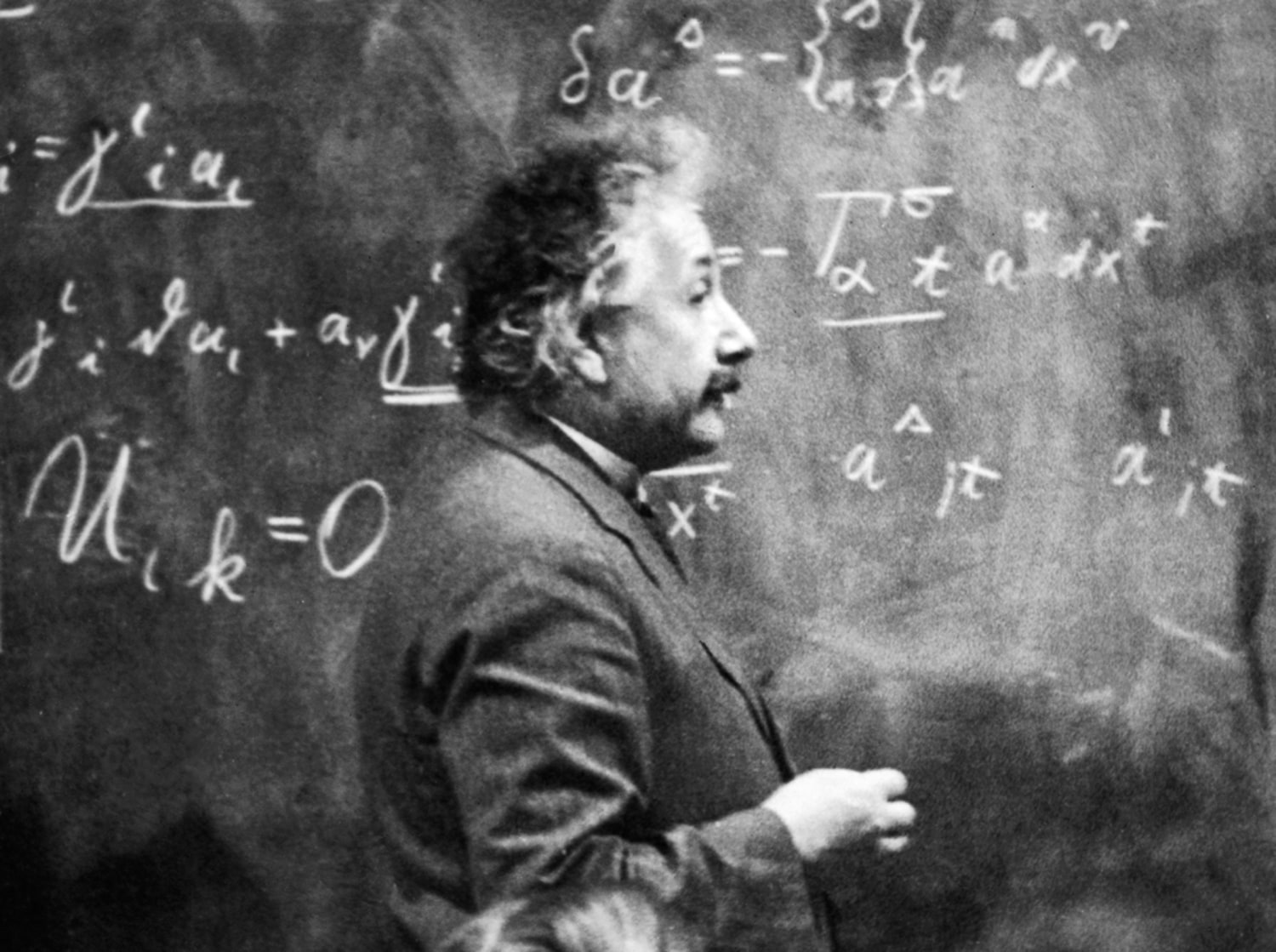
Perhaps the great scientific event of the twentieth century was the revolution in physics symbolized for the public by Albert Einstein (1879-1955). This revolution centered on radical revisions made in the Newtonian world-machine, the mechanistic model of the universe that had been accepted for more than two centuries.
-
Twentieth Century Science
In the twentieth century each science, and each branch of each science, continued its ever more intense specialization. Cooperation among pure scientists, applied scientists, engineers, bankers, business people, and government officials produced exponential increases.
-
Historicism In The Twentieth Century
Probably the most widespread philosophical movement of the century developed on the margin of formal philosophy and the social sciences. This movement is called historicism—the attempt to find in history an answer to those ultimate questions of the structure of the universe and of human fate that the philosopher has always asked.
-
Philosophy In The Twentieth Century
A philosophy known as existentialism developed from such nineteenth-century sources as Nietzsche and the Danish theologian Soren Kierkegaard (1813-1855), who assailed the dehumanizing effects of the increasingly materialistic society of his day. In such works as Fear and Trembling (1843) and Either/Or (also 1843), he argued that Christian truth was not to be found in…
-

Sociology and Political Science In The Twentieth Century
In the social sciences, the twentieth century continued to question its inheritance of faith in the basic reasonableness and goodness of human nature. In fact, some social scientists found the term human nature to be so all-embracing as to make no sense. The specific programs and values of twentieth-century thinkers in this broad field were…
-
Sigmund Freud on Modern Civilization
Though not his most famous book, Civilization and Its Discontents, written in 1929-1930, is probably the most frequently read work by Sigmund Freud, for it appears to speak directly to the human condition.
-
Psychology In The Twentieth Century
Taking its cue from psychology, the twentieth century has put its emphasis on the role of the unconscious in human thought and action, on the non-rationality of much human behavior. Foremost among the thinkers responsible for this emphasis was Sigmund Freud (1856-1939), a physician trained in Vienna in the rationalist medical tradition of the late…
-

The Age of the Computer
We live today in an information society. Such a society is the result of a long evolution from the development of writing, to movable type, to the high-speed printing press, to the typewriter and carbon paper and the office duplicating machine. More than any other development, however, it has been the exceptionally rapid growth of…
-
Modern Thought About Human Nature
In the latter part of the nineteenth and early part of the twentieth century, a number of fields of inquiry became professionalized, and those who mastered these fields had a major impact on elite thought and indirectly on popular public opinion. Foremost among these fields were psychology, history, political science, sociology, and philosophy. All but…
-
The Modernity of History
Societies reveal much about themselves in what they choose to take pride in—what they consciously preserve from their past and from their environment. Societies also reveal much about themselves in what they exclude, as when history until recently passed over the underclasses in near-silence or neglected the role of women in national development.
-

Twentieth Century Thought and Letters
History is constantly changing. So, too, is the way that we view history. Obviously, history extends forward in time, each day bringing new events that make a mockery of any attempt to survey the entire historical past of any one culture, much less of all cultures, or of all Western civilization.
-
Summary | The Second World War
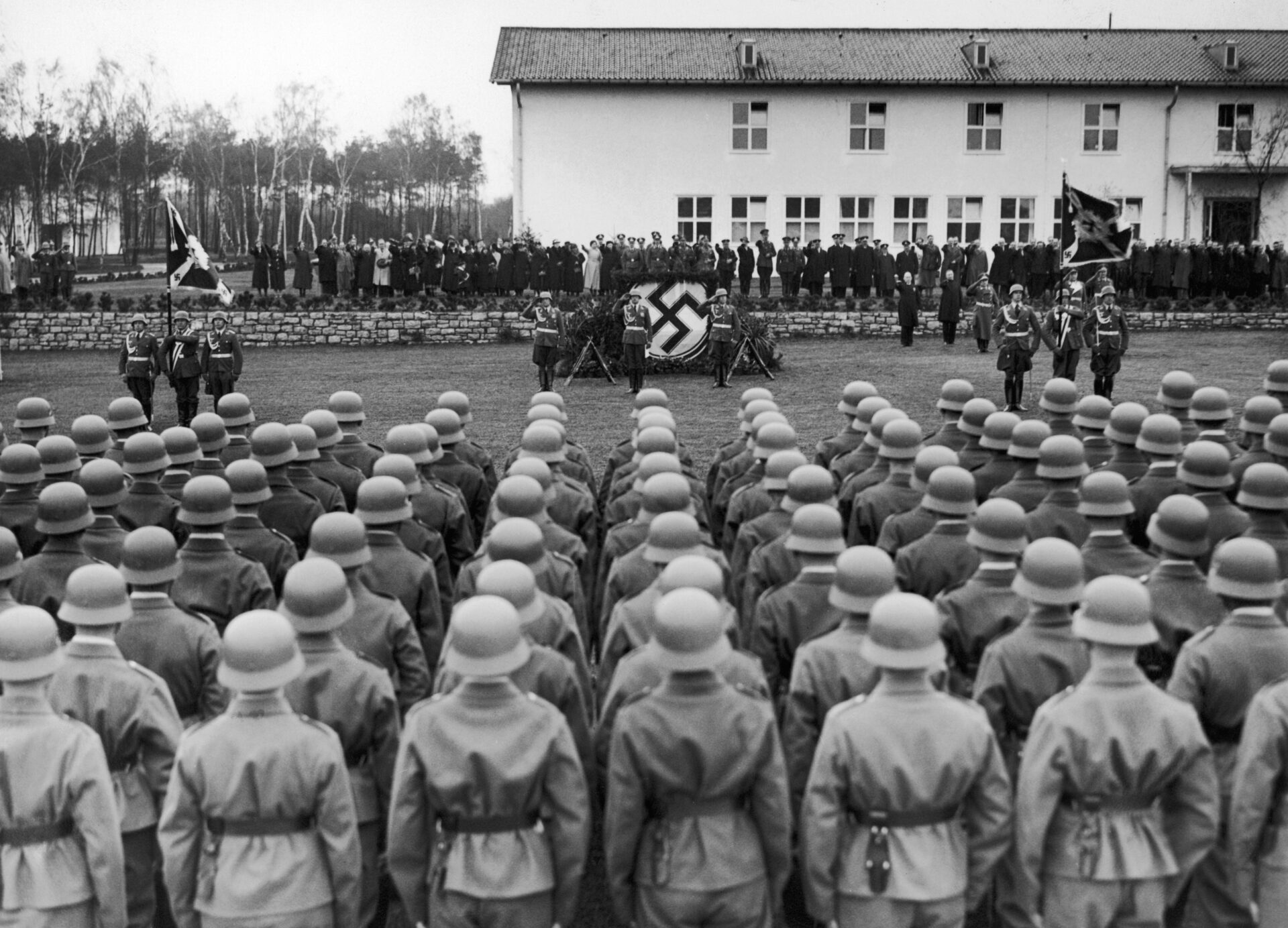
Some historians today consider the time between the two world wars as simply a twenty-year truce. Yet the 1920s had offered hope for peace, as shown by the Locarno spirit. This hope was dashed by the Great Depression that helped put Hitler in power. Between 1918 and 1938 Soviet leaders shifted their view on the…
-
The Vietnam War | The Second World War
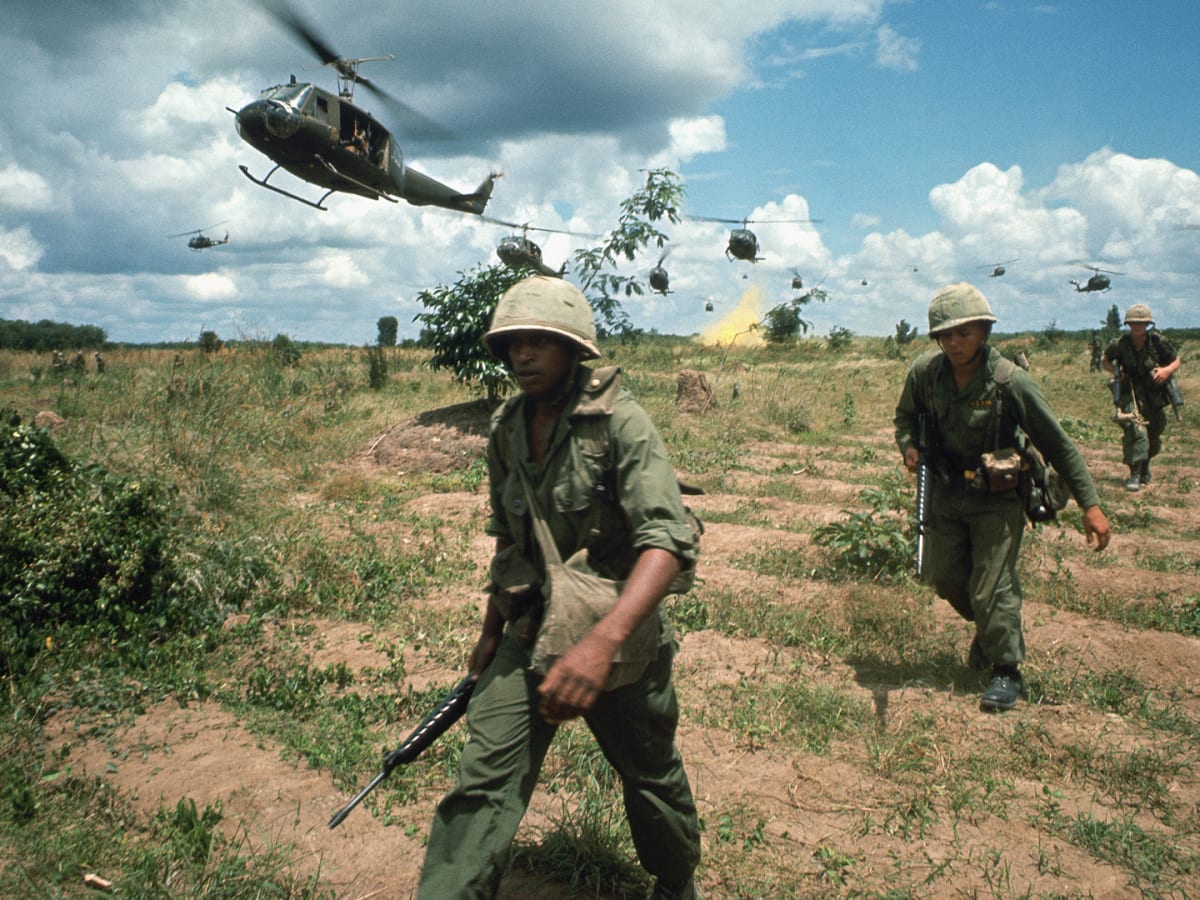
A special problem for the PRC, Soviets, and Americans arose in southeast Asia from the revolt of the Viet Minh (Revolutionary League for the Independence of Vietnam) against France that broke out in French Indochina after World War II.
-
The Soviet-Chinese Split | The Second World War
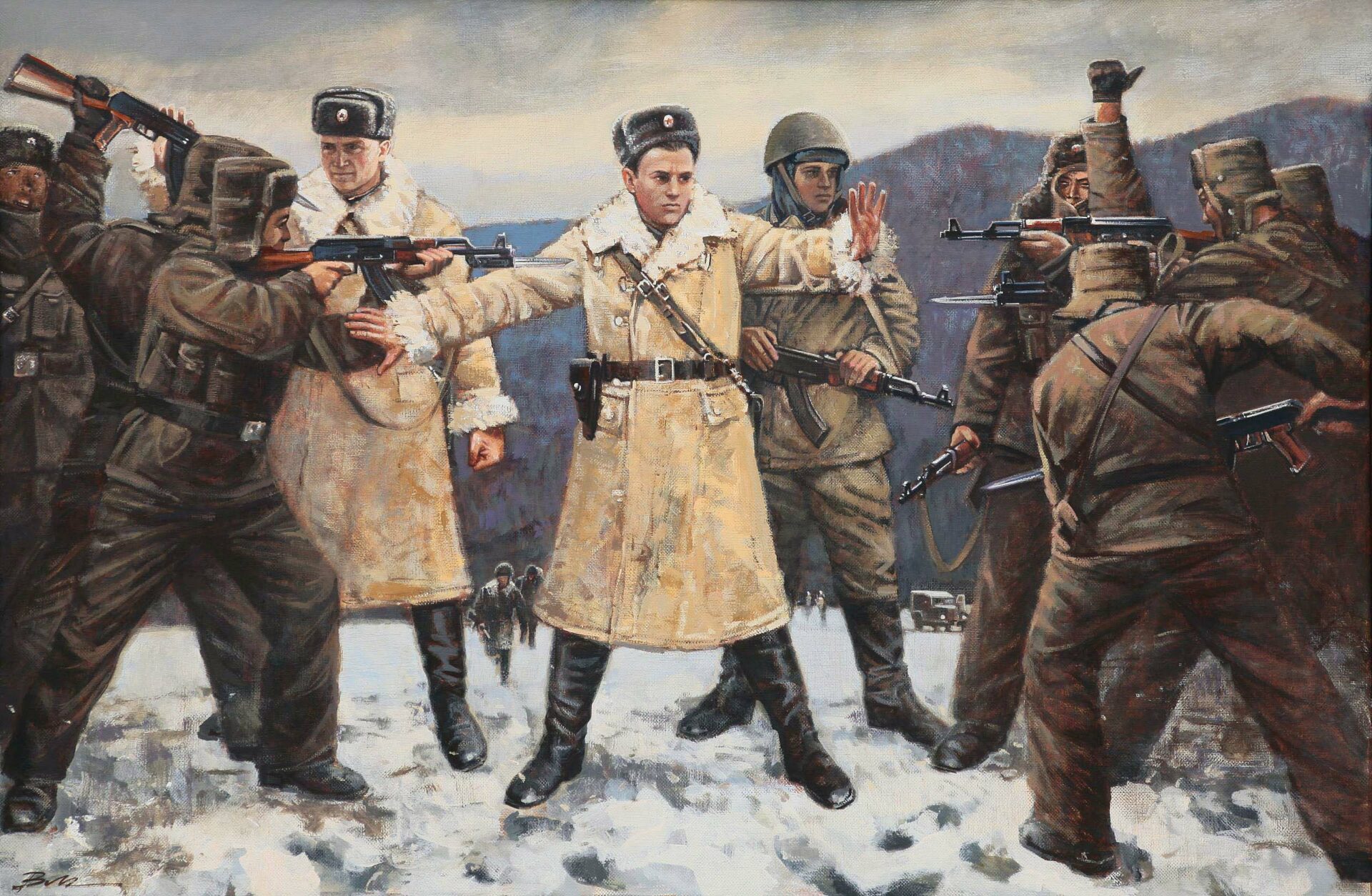
In 1959 Khrushchev told Beijing that the Soviet Union would not furnish the PRC with atomic weapons and tried unsuccessfully to unseat Mao. PRC bombardment of Quemoy and Matsu (1958), offshore islands claimed by Taiwan, plus a savage conquest of Tibet and an invasion of Indian territory in Ladakh were undertaken without consultation between the…
-
Conflict in Asia, 1953-1970 | The Second World War
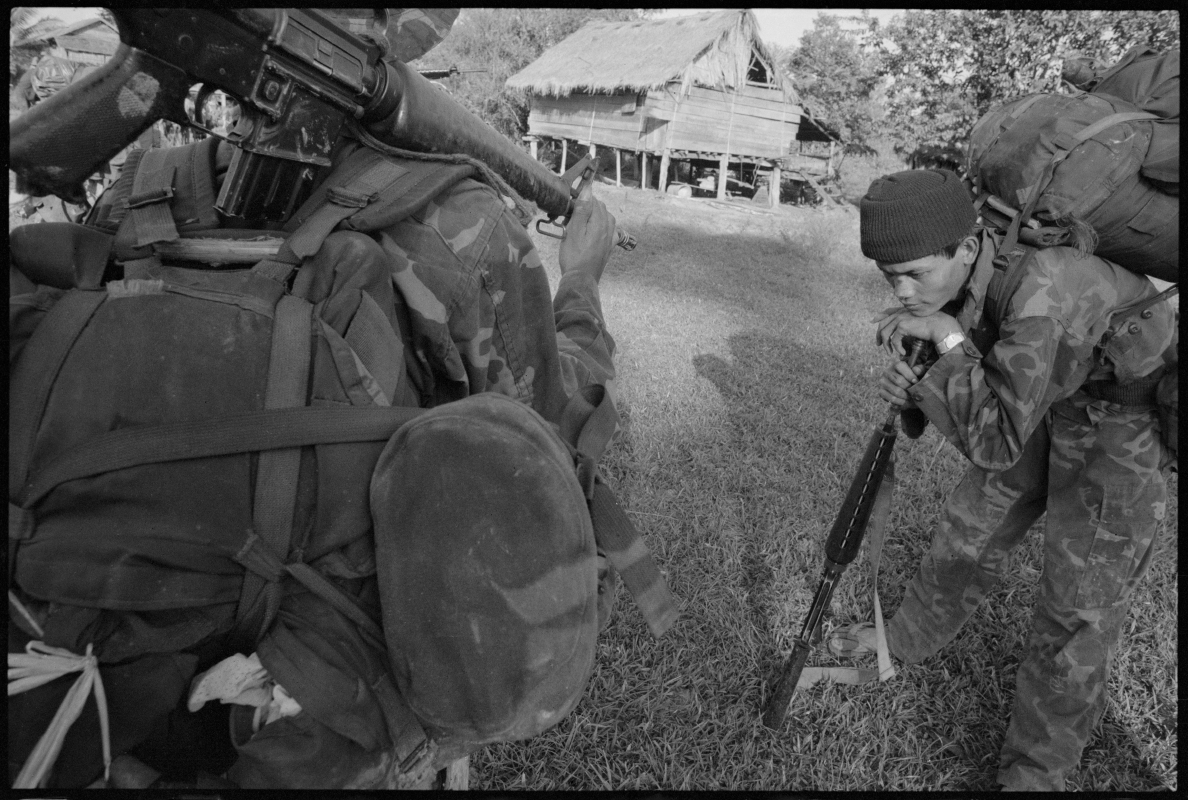
Between Stalin’s death in 1953 and Khrushchev’s denunciation of Stalin in 1956, Chinese-Soviet relations were basically amicable, and PRC influence rose in the communist world. The Soviets returned Port Arthur and Dairen to China in 1955. But when Khrushchev attacked Stalin without consulting Mao Zedong (1893-1976), the Chinese communist leader, the Chinese denounced him for…
-
Czechoslovakia During The Cold War | The Second World War
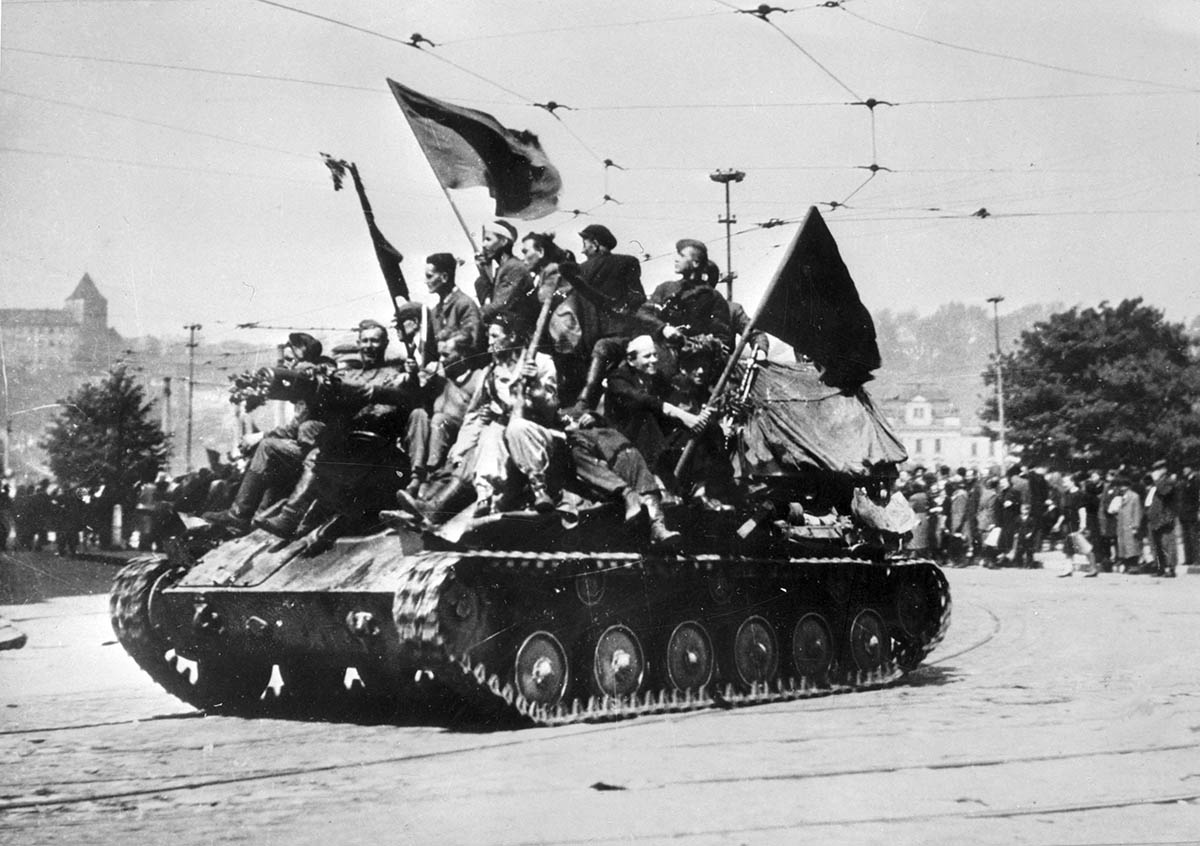
The settlement in 1968 on the terms of a nuclear nonproliferation treaty to prevent the spread of atomic arms beyond the nations that already possessed them seemed to represent another step forward, but Soviet intervention in Czechoslovakia in the summer of 1968 delayed its ratification.
-
Soviet-American Rivalry and the Cold War
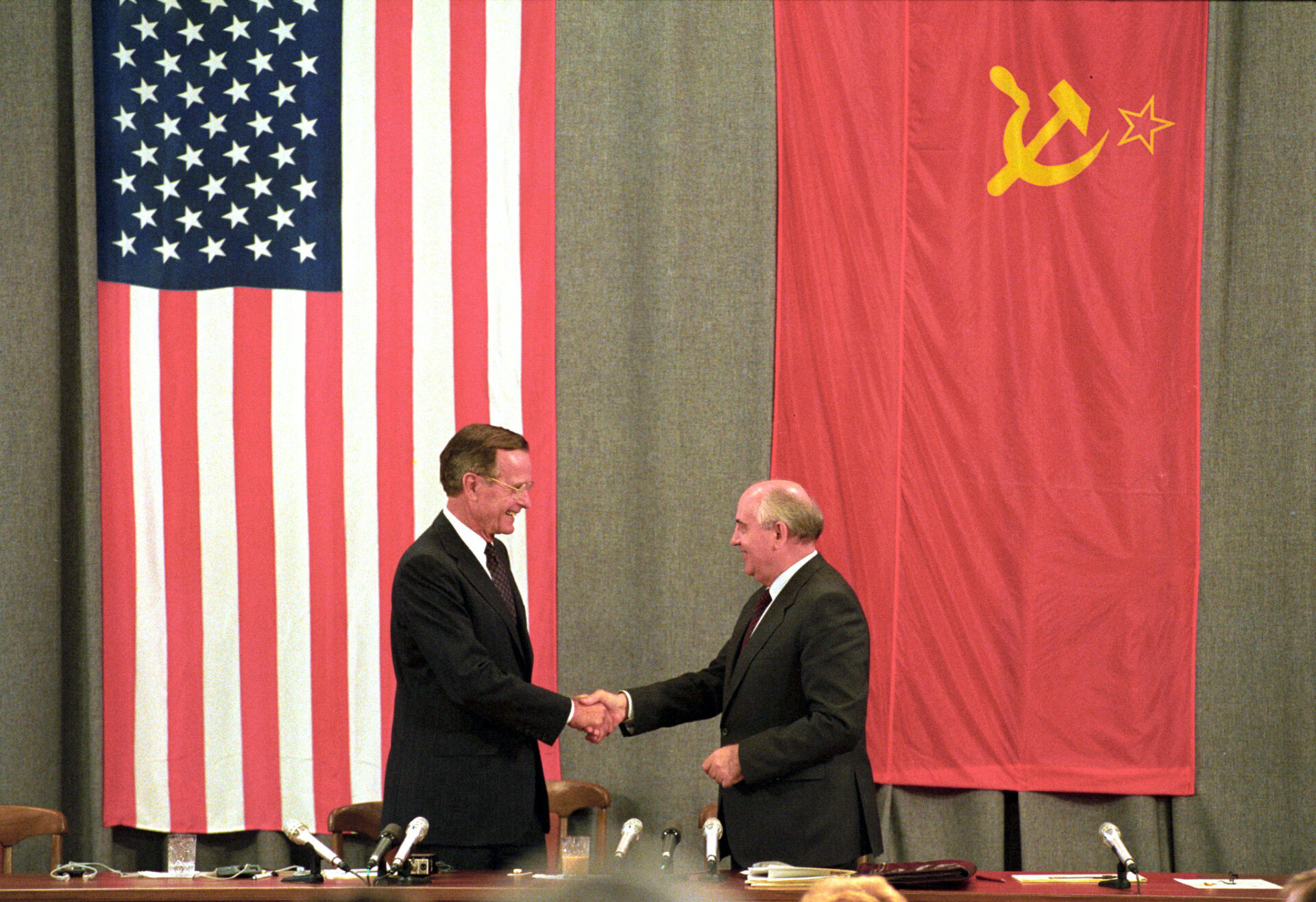
In 1947, at the outset of the cold war, as the Soviet Union continued to expand its influence through¬out Europe, a leading American policy analyst, George Kennan (1904— ), published a highly influential article in the American journal Foreign Affairs. In it he discussed what the United States should do to offset Soviet influence. He…
-
Cuba’s Nuclear Tests During The Cold War | The Second World War
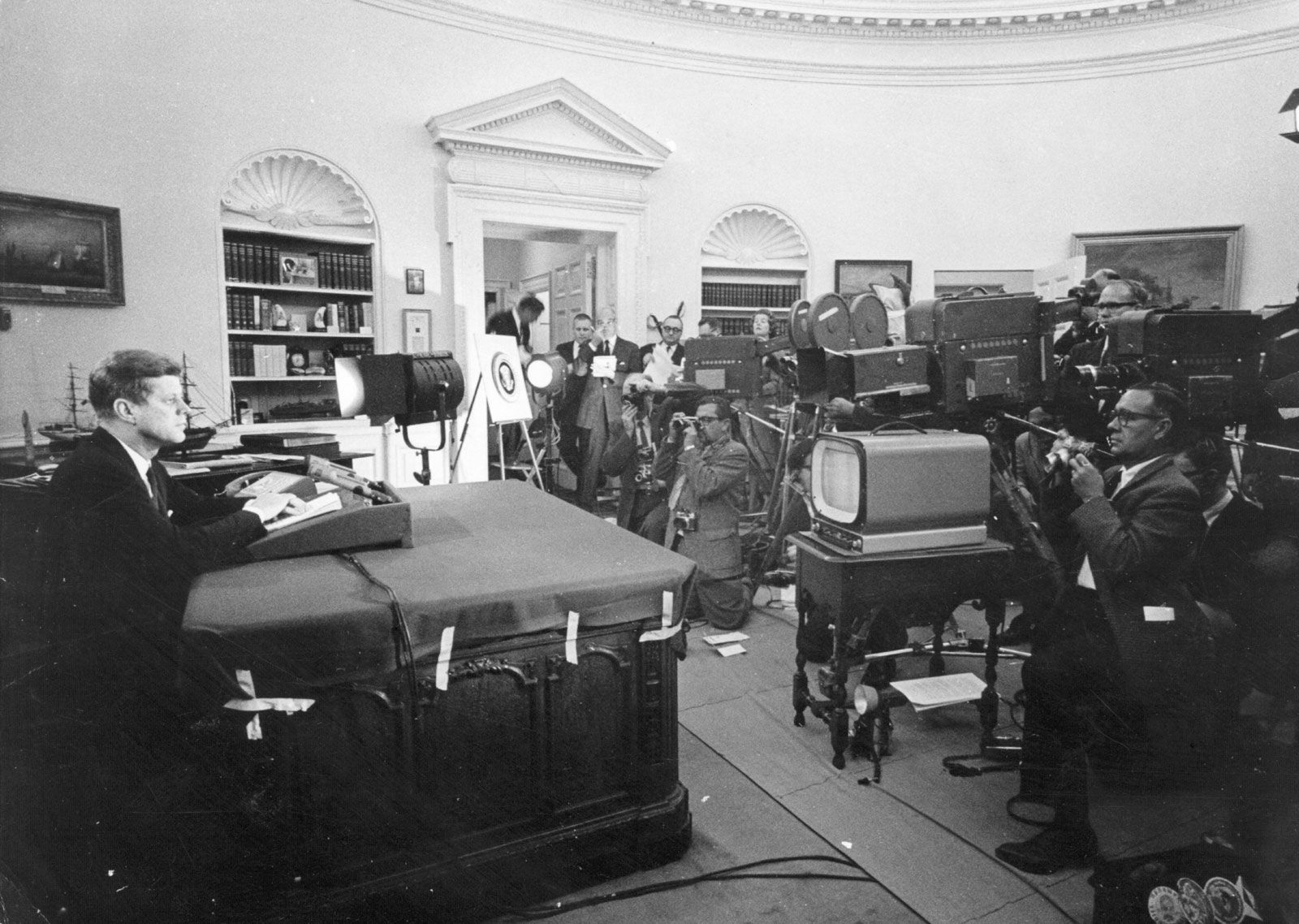
Khrushchev now probed in another way, announcing in August 1961 that the Soviets would resume atomic testing in the atmosphere, a practice stopped by both powers in 1958. In the two months that followed, the Soviets exploded thirty bombs. President Kennedy decided that, unless Khrushchev would agree to a treaty banning all tests, the United…
-
Berlin After World War Two | The Second World War
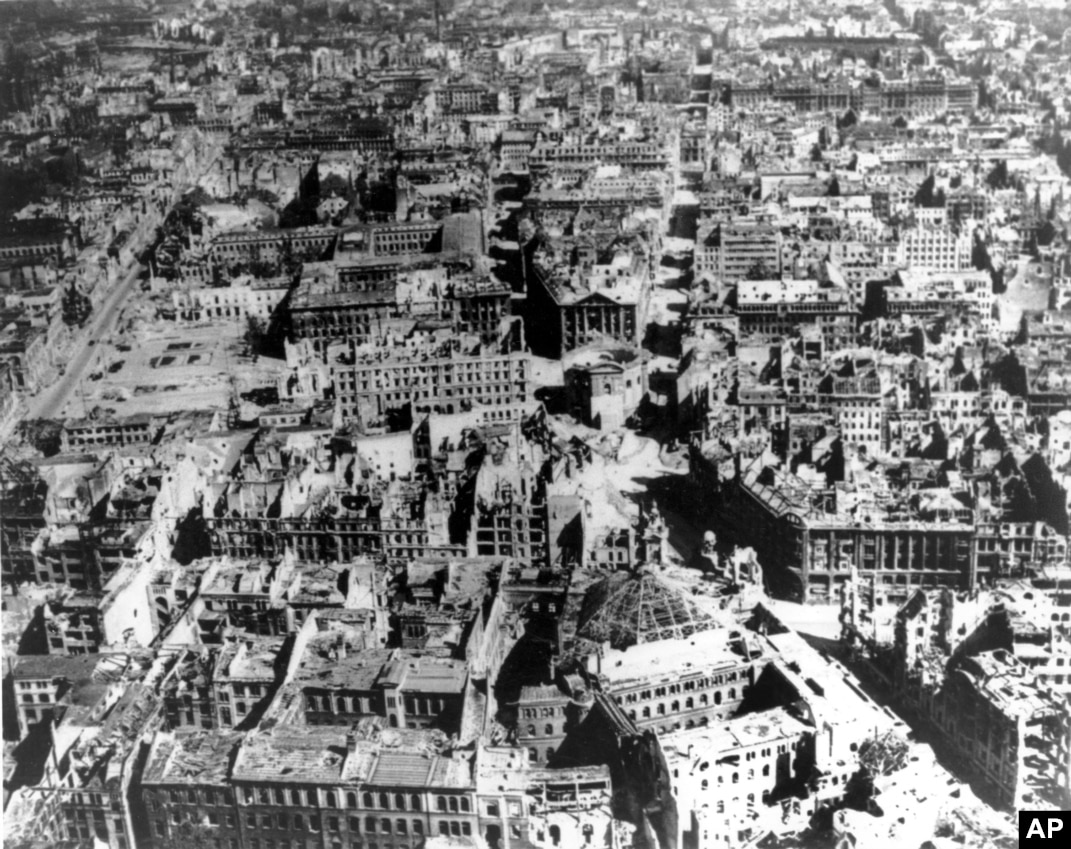
In East Germany, there the Soviet Union had created its most industrially productive European satellite, fully integrated into Comecon. Strategically East Germany was of great importance to the USSR; control over East Germany enabled the Soviets to keep Poland surrounded and to keep communist troops within easy reach of West Germany.
-
Eastern Europe After World War Two | The Second World War
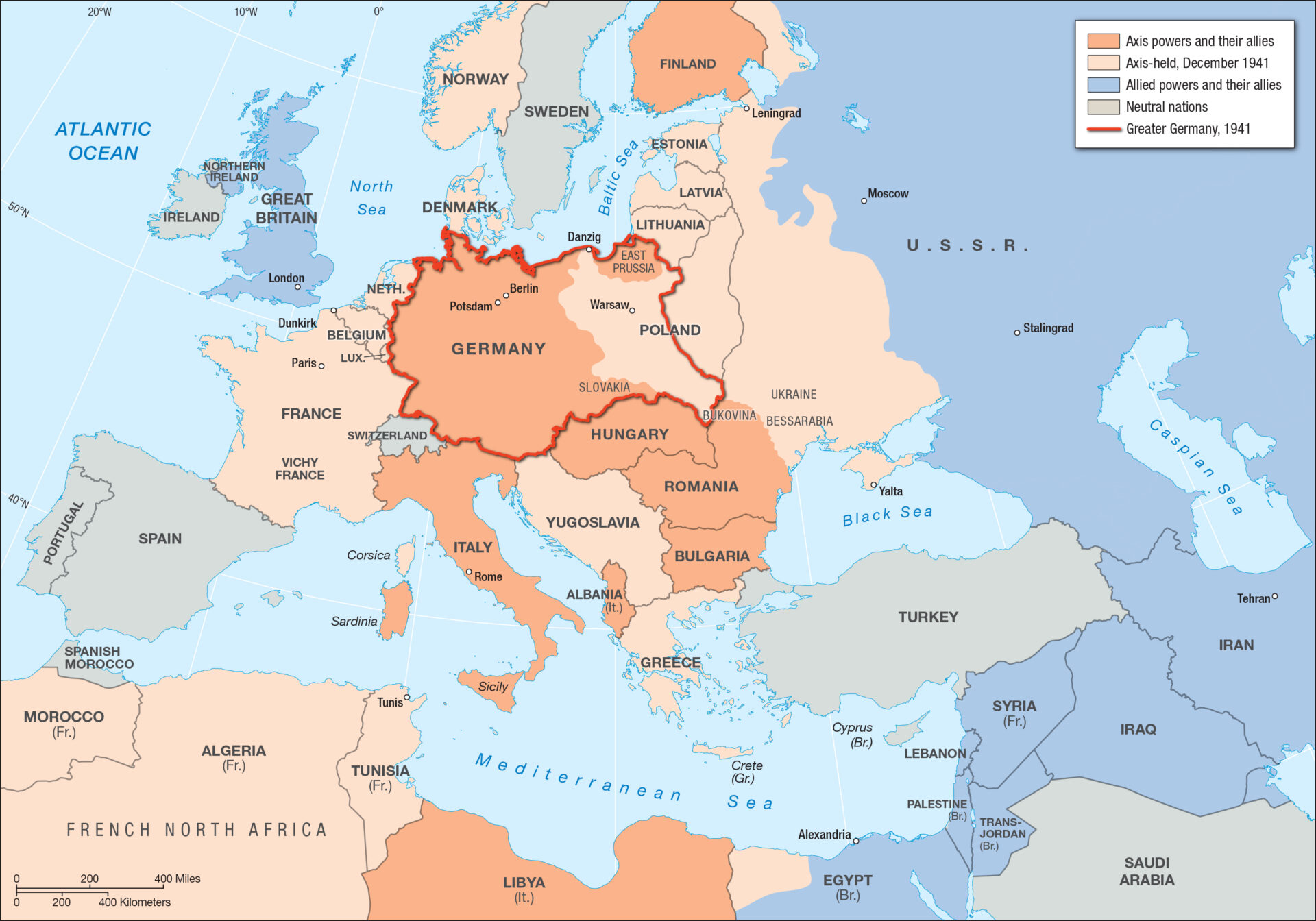
In eastern Europe, the new first secretary to the Soviet Communist party, Nikita Khrushchev (1894-1971), sought to heal the breach with Tito. In May 1955 he went in person to Belgrade and publicly apologized for the quarrel. Relations between Tito and Moscow improved, although the Yugoslays never abandoned their ties to the West. Khrushchev even…
-
The Korean War | The Second World War
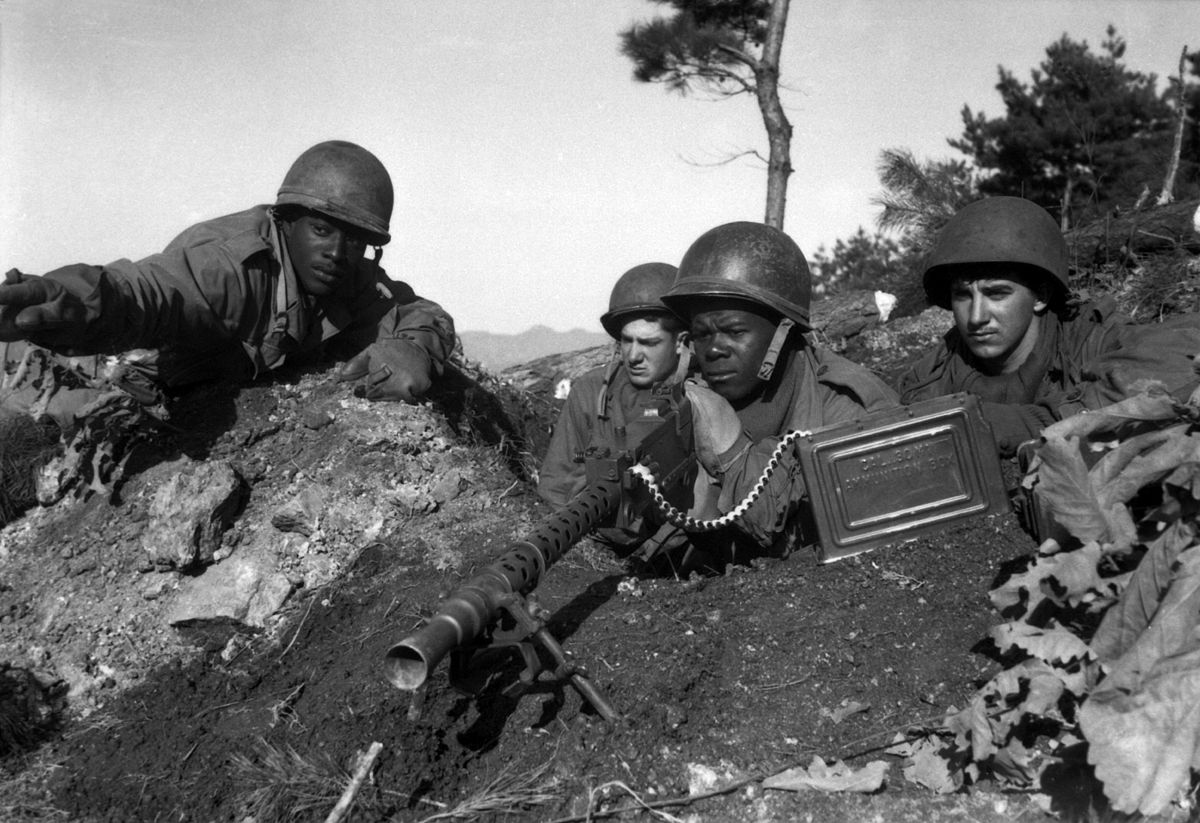
The Korean War, which broke out in June 1950, was in some measure a Soviet-sponsored operation, although the Soviets contributed only support and sympathy and allowed their Chinese ally to take the military lead. Korea had been a target of Soviet interest in the late nineteenth and early twentieth centuries, but the Japanese triumph over…
-
The Yugoslav Rebellion After World War Two | The Second World War
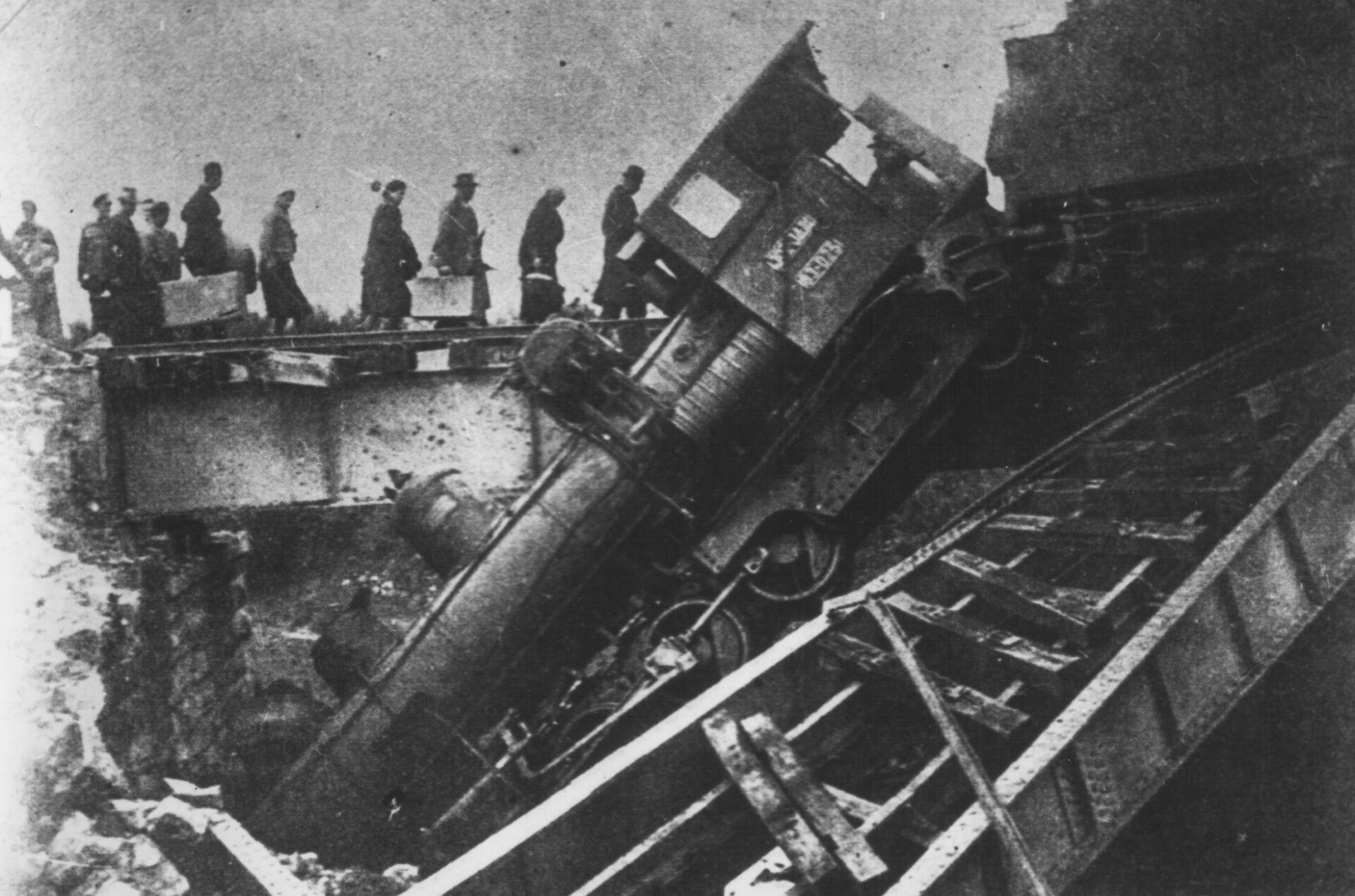
Also in 1948, the Soviets faced a rebellion from a country that had previously seemed the most pro-Soviet of all the new communist states of eastern Europe—Yugoslavia. Yugoslavia had overthrown a pro-German government in 1941 and throughout World War II remained a scene of intense guerrilla action against the Germans and Italians.
-
The Soviet Union and the West, 1945-1970 | The Second World War
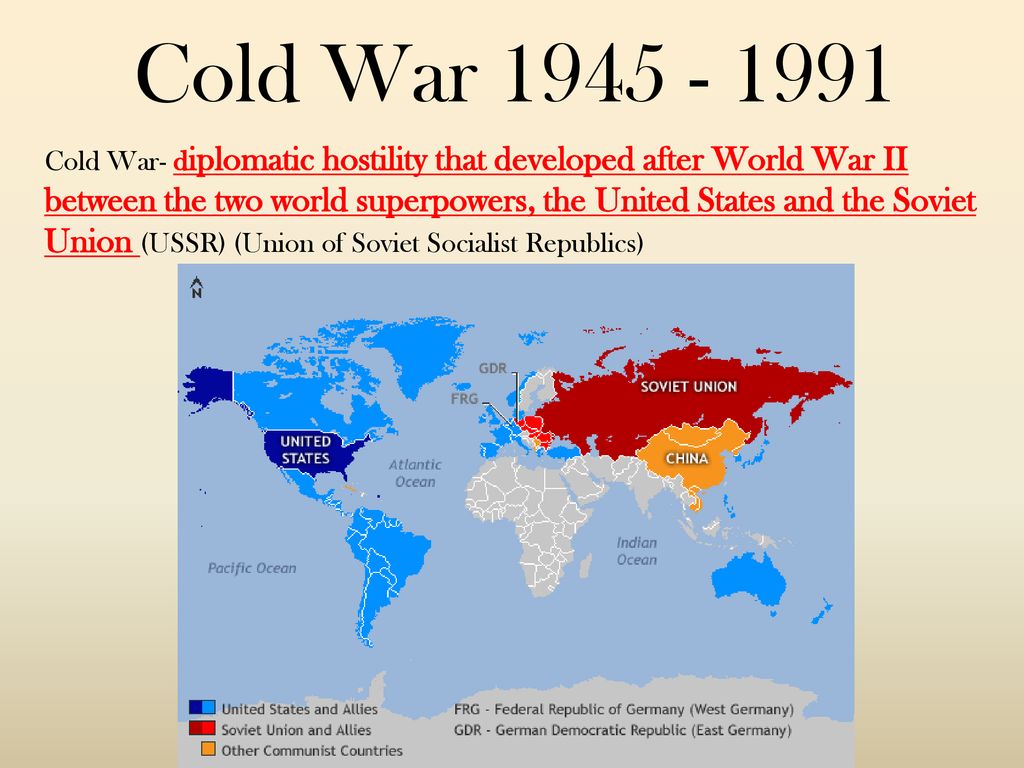
The Soviet Union moved rapidly to consolidate its territorial position. Using the Red Army, the Soviets created “people’s republics” in Poland, Romania, Hungary. and Bulgaria, which became Soviet satellites.
-
The Postwar Settlement | The Second World War
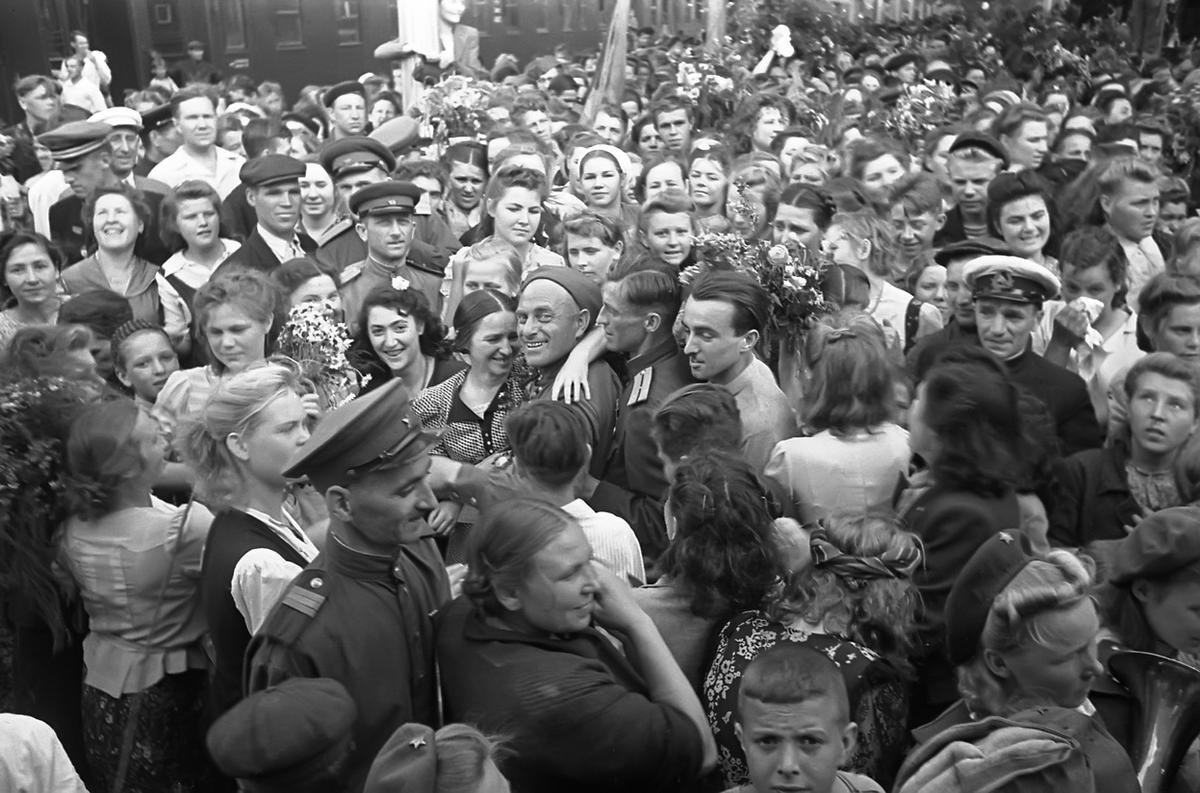
The devastation wrought by the war, including the war in the Pacific, greatly exceeded that in World War I: at least 50 million dead, more than half of them civilians, and more than $2,000 billion in damage. Despite a sharply rising birth rate and vast programs of economic reconstruction, such losses could never be fully…
A History of Civilization
